10:00 Recorded at KubeCon + CloudNativeCon Europe, Amsterdam
Is the demand for a sovereign European cloud here to stay?
Guido Laout: A European public cloud
Guido Laout of OVHcloud at KubeCon Europe on why sovereignty is here to stay, what a European public cloud offers, and building workloads that can move.
Guido Laout, Director Netherlands, OVHcloud · with  Luca Berton
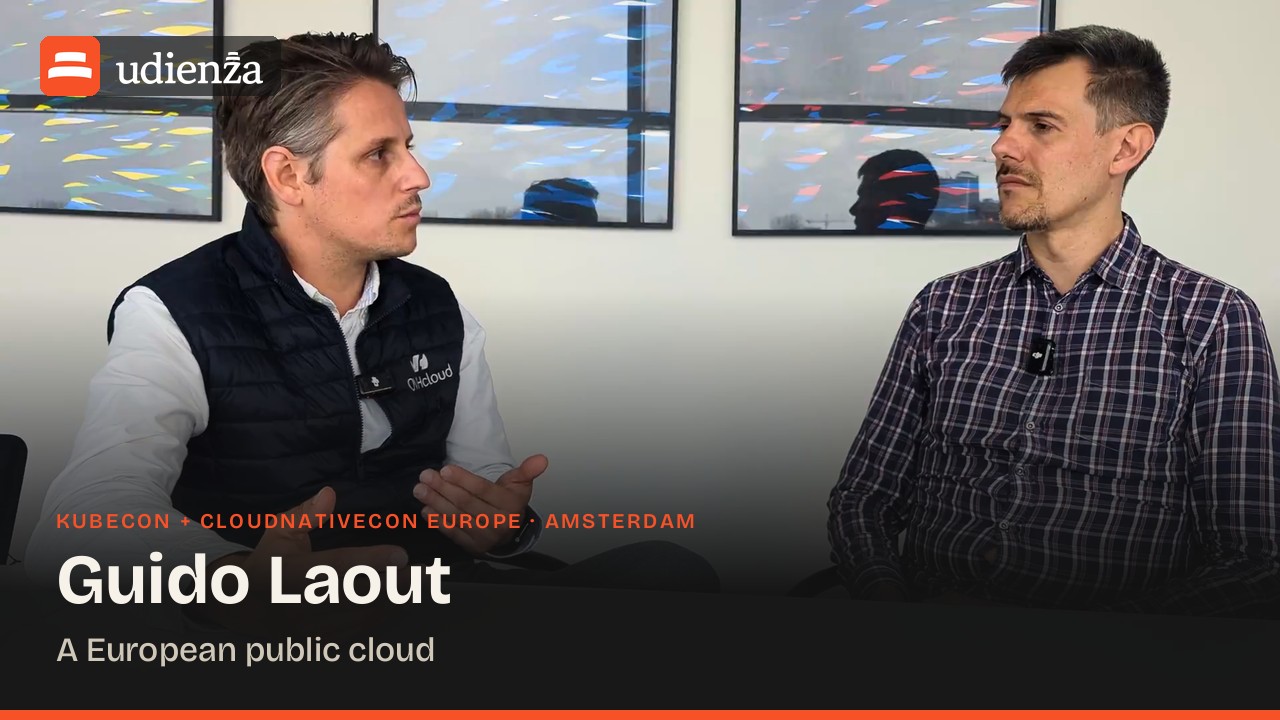
Guido Laout is Director Netherlands at OVHcloud, the Roubaix-based European cloud provider, where he covers sales for the Netherlands and Flanders.
Rather just listen?
In brief
- Sovereignty is a response to concerns over digital autonomy, data privacy and exposure to non-domestic laws, and the topic gets hotter every month.
- Many visitors to the booth were surprised by the breadth of OVHcloud's public cloud: managed Postgres, MongoDB, MySQL, Kafka, OpenSearch, Valkey and managed Kubernetes.
- Some organisations hope the sovereignty question will go away soon; Guido does not think it will, and says it is only at the beginning.
- Managing the risk means understanding your dependencies, considering a European provider or your own premises, and having an exit plan.
- Customers come with lift-and-shift projects, but many are rebuilding on open source so their setup stays portable, even beyond OVHcloud.
- AI had a huge spotlight at the conference, and he expects that to grow.
- KubeCon brings maintainers, developers and business stakeholders together, which makes it a demanding audience for the industry.
Why this conversation
Every conversation about running infrastructure in Europe now reaches the same question within minutes: which cloud, and under whose law. Guido Laout is Director Netherlands at OVHcloud, the European cloud provider, and covers sales for the Netherlands and Flanders. The host recorded with him on Thursday 26 March, the last day of KubeCon + CloudNativeCon Europe in Amsterdam, after a week Guido spent almost entirely at the OVHcloud booth. He admits he did not get to a single talk: he was too busy with people interested in OVHcloud’s services, its capabilities and the sovereignty side of it. The rest of that week is in Four conversations from KubeCon Europe 2026, and the host also published a written interview with him.
What brought people to the booth
The host described OVHcloud as one of Europe’s so-called neo-clouds. Guido sees sovereignty as a response to growing concerns over digital autonomy, over data processing and privacy, and over being exposed to non-domestic laws. Every month, he says, the topic gets hotter. People have grown so used to working with the hyperscalers that many are now asking what else is out there.
KubeCon gave OVHcloud the chance to show that it has a mature public cloud offering, with the services people expect: managed databases such as Postgres, MongoDB and MySQL, managed Kafka, OpenSearch and Valkey, and managed Kubernetes. Many visitors, he says, were surprised when he told them about the regions and the breadth and depth of the portfolio. He was happy with the conversations, and calls it an important story to tell in a geopolitical time like this one.
Sovereignty is here to stay
Asked about the future, Guido says many enterprises, governments and companies hope the sovereignty topic will dissolve sooner rather than later, because it is hard to tackle. He does not think that will happen. Organisations are becoming more aware of how dependent they have grown on a few suppliers in other countries and on other continents.
He expects the future to be about understanding those dependencies and the risks they carry, and about mitigating them: perhaps by moving to a provider such as OVHcloud, perhaps by going back to your own premises, and in any case by making sure there is an exit plan, so that you can keep running if uncertain times come. In his view this is only the beginning of the sovereignty topic.
The host put a conference meme to him: Kubernetes is the operating system for AI. Guido says he is not technical enough for those conversations to come to him, but AI had a huge spotlight throughout the conference, and he expects it to matter more and more to customers, with or without Kubernetes.
Lift and shift, or rebuild
Are customers moving existing workloads or building new ones? It is a mixed bag, Guido says, and depends on what they run today and where. He sees a fair number of lift-and-shift projects. But many companies want to revamp what they have, without being tied to the proprietary technology a hyperscaler or another provider may have used, and are looking to open source instead. Their question is how to build something portable, that will also work at other premises and with other suppliers, even beyond OVHcloud. He sees that as one of the big topics for companies right now.
The KubeCon crowd
The host described KubeCon as a rare place where open source meets business. Guido agrees: the crowd is mixed, and its knowledge of what makes a cloud run is high. That makes it a demanding audience for the industry as a whole, and a good place for visitors to find inspiration on what to add to their stack and how it will mature.
OVHcloud has an office in Amsterdam and offices around the world. To find the nearest one, he says, go to ovhcloud.com.
Mentioned in this episode
About Guido Laout
Guido Laout is Director Netherlands at OVHcloud, the Roubaix-based European cloud provider, where he covers sales for the Netherlands and Flanders.
Running this in production? Luca Berton helps platform teams take it from prototype to reliable production. See how he works
Built something the rest of us run on? Being a guest is free. Take the other chair
More episodes
All episodes →-
Episode 09 · Coming
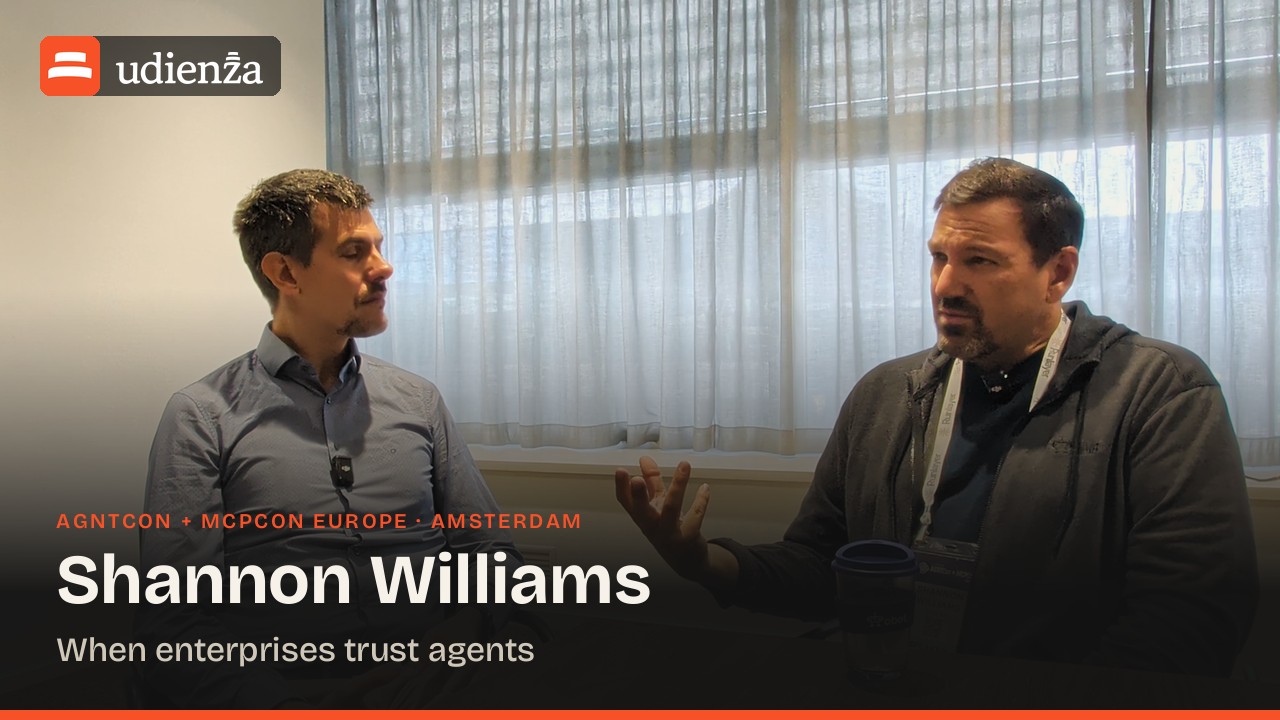
Shannon Williams: When enterprises trust agents
-
Episode 11 · Coming
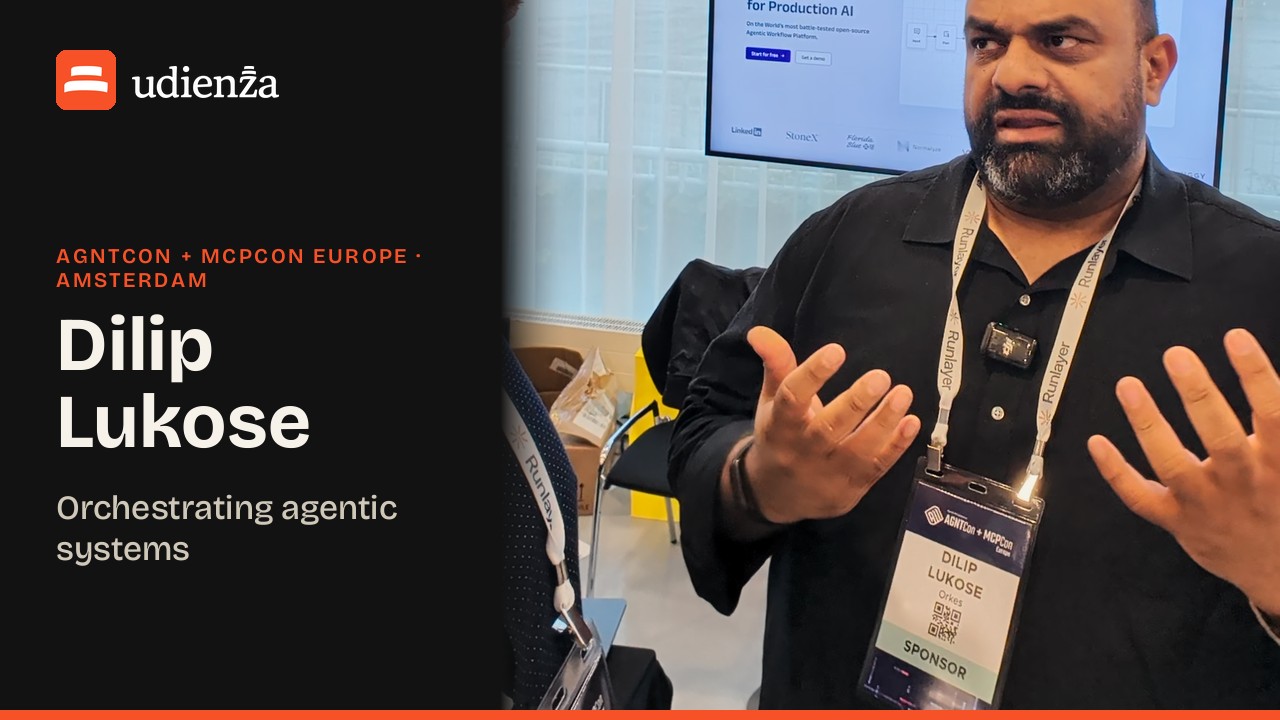
Dilip Lukose: Orkes: APIs, agents and humans
-
Episode 99 · Coming
Paola Pimazzoni: Kubermatic, from the defense side
-
Episode 21 · Coming
Thierry Carrez: What OpenStack taught Europe
Discussion
Questions for Guido, or something we got wrong? The conversation continues under the video on YouTube.