Coming soon 10:00 Recorded at Open Source Summit Europe, Prague
What does a good partnership with the Linux Foundation look like?
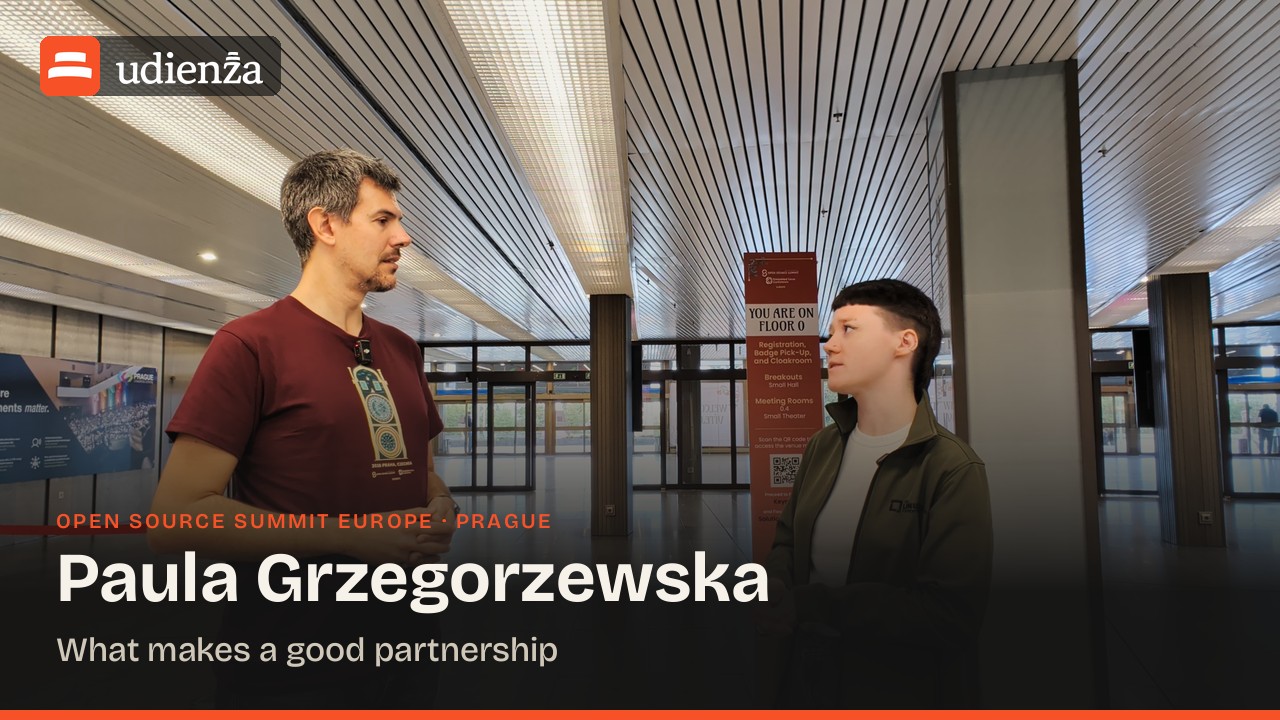
Paula Grzegorzewska: What makes a good partnership
Paula Grzegorzewska of Linux Foundation Europe on a good partnership with the Linux Foundation, and its developers, member companies, NGOs and universities.
Paula Grzegorzewska, Senior Manager, Strategic Partnerships, Linux Foundation Europe · with  Luca Berton
Recorded, coming soon.
Paula Grzegorzewska is Senior Manager, Strategic Partnerships at Linux Foundation Europe in Brussels, and a co-author of the 2026 State of Open Source in Europe report, launched at Open Source Summit Europe in Prague.
Follow the show and the episode arrives the morning it's published.
Why this conversation
Paula Grzegorzewska reached out to the show herself during the week in Prague. On the Friday morning, at about ten past eleven, she sat down to talk about what a good partnership with the Linux Foundation looks like, and about the ecosystem around it: developers, member companies, NGOs and universities.
Many kinds of partners
“First of all, I mean, the Linux Foundation has many different types of partners, and that’s the whole idea of it.” A healthy open source ecosystem, Paula said, has developers, businesses and member companies, and “we have many NGOs and universities that are also partnering with us, especially, for example, for research.” Her own focus is policy: “And I focus myself on policy, and I work in Brussels, so we are starting to see more and more cooperation with policymakers as well”, because there is far more interest in understanding what open source is.
From raised eyebrows to political goals
The host had noticed the weight she said the foundation brings to the discussion. “Yeah, and you know, our KubeCon conferences are like 12,000 people plus”, which shows people want to do open source and talk about it. “And I’ve been working on open source policy now for eight years, and it’s very different today.” “When I used to say that I work on open source and policy, I was met with raised eyebrows”, as if it were a niche topic. “And now it’s very normal.” Open source now connects with political goals, digital sovereignty and geopolitical tensions. “And open source provides a very good part of the answer, at least.”
Competitors working together
The host told the story of a company that went from open source software to a proprietary model, “and then we got busted”, and decided to go only open source, but needs support and an ecosystem behind it. Paula’s answer: “the beautiful thing about open source is that it makes competitors work together.” “It’s not a natural human calling to work with your competitor, and this is why we need open source foundations, because they provide this neutral layer that actually allows competitors to talk to each other and avoid making those mistakes of putting all the eggs in one basket.” “So I really think we need good governance and very neutral, trustworthy foundations.”
Research behind the numbers
The Linux Foundation has a lot of data from its many projects: “We trained almost 2 million developers.” It should provide the insights into what those numbers mean, “But I think it’s also really important that we work with the rest of the ecosystem and with actual academic researchers to answer some of those questions.” She works a lot with Linux Foundation Research.
The EU Tech Sovereignty Package
“In June, the European Commission has published the EU Tech Sovereignty Package. This is the first time that any government is betting so strongly on open source.” The European Union plans to invest “at least 2 billion euros over seven years, which actually is not that much”, into open source, its maintenance and understanding the ecosystem, and to push for open source in public procurement. “And two biggest files there are Cloud and AI Development Act and the open source strategy. So this keeps me busy and this keeps many people in Brussels busy.”
How to help
The community has already helped. The package had a public consultation, “And the commission received over 1,600 responses, which is actually quite a record for the commission.” Consultations are open to every citizen: “Anyone can fill it out, but nobody does.” “But their open source community actually came together and filled it out”, with a very positive impact on future policy. Those interested can read the research and contribute to policy working groups. “And now policymakers want to hear from the open source ecosystem.”
When it comes out
The episode is recorded and in the edit. Like every episode it goes out on YouTube first, then on Apple Podcasts, Spotify and Amazon Music. The story of the week it was filmed is in Open Source Summit Europe 2026: who we met.
About Paula Grzegorzewska
Paula Grzegorzewska is Senior Manager, Strategic Partnerships at Linux Foundation Europe in Brussels, and a co-author of the 2026 State of Open Source in Europe report, launched at Open Source Summit Europe in Prague.
Running this in production? Luca Berton helps platform teams take it from prototype to reliable production. See how he works
Built something the rest of us run on? Being a guest is free. Take the other chair
More episodes
All episodes →-
Episode 25 · 29 Oct
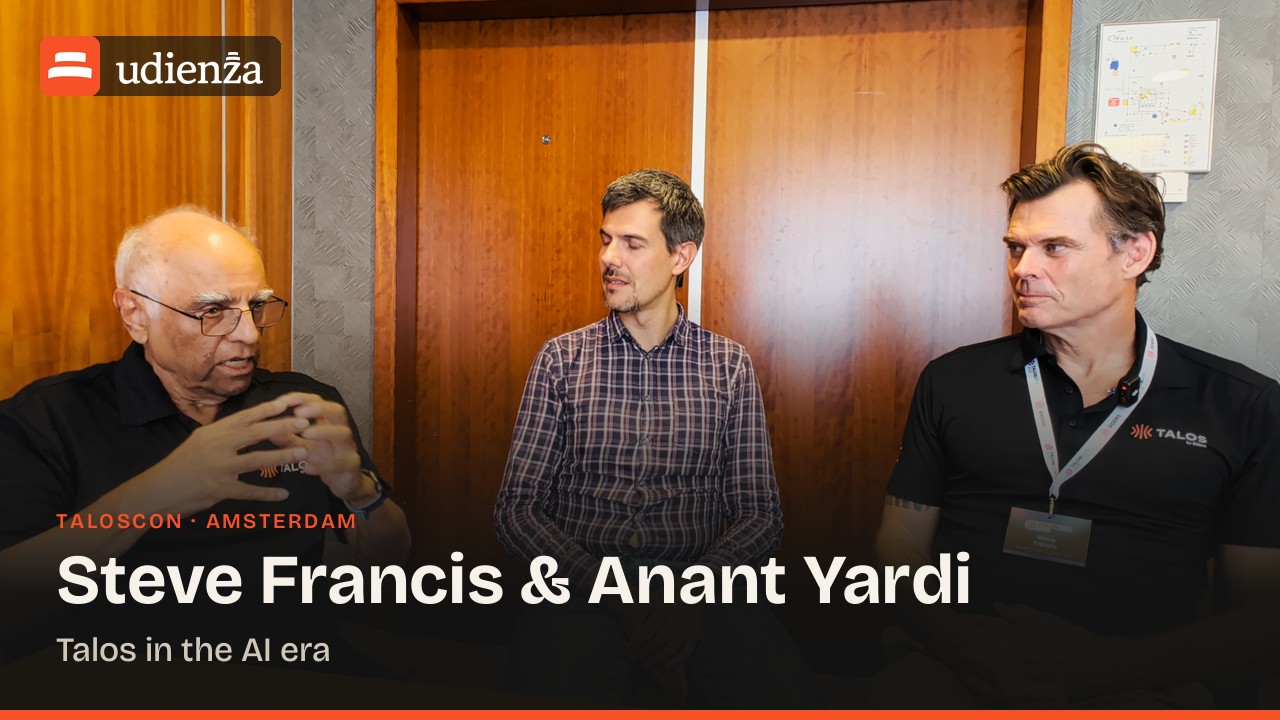
Steve Francis and Anant Yardi: Talos in the AI era
-
Episode 27 · Coming
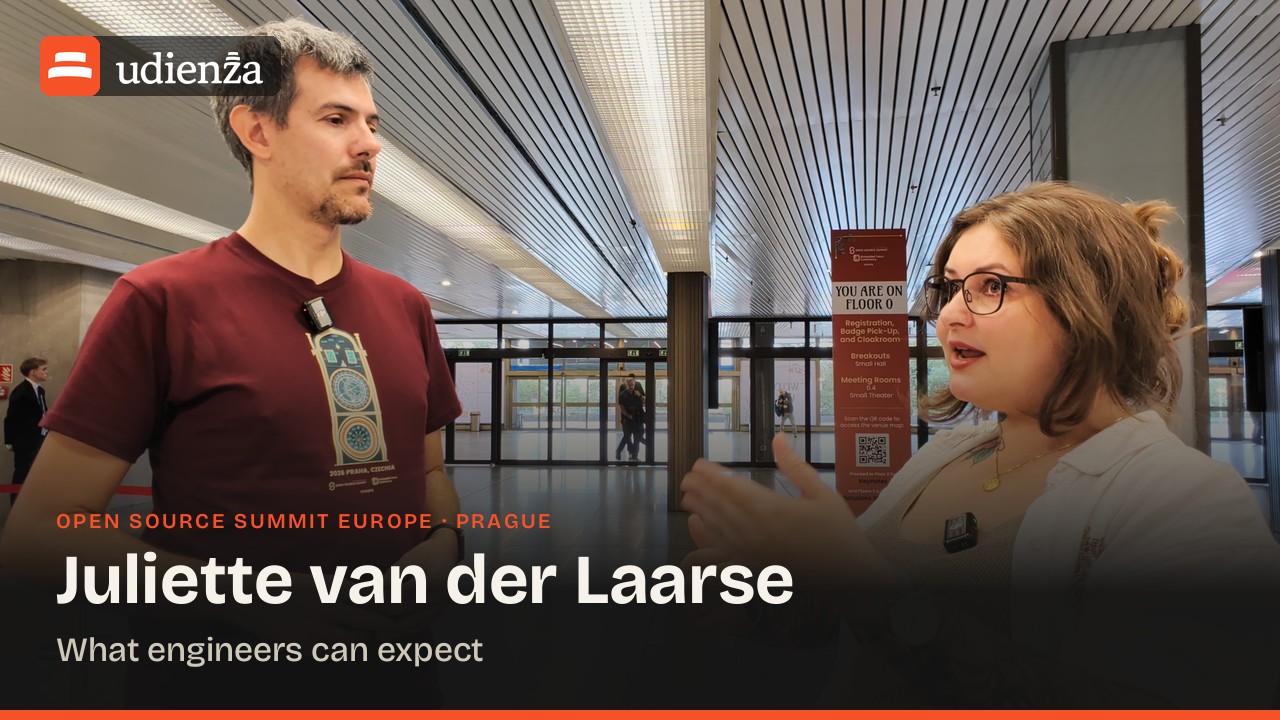
Juliette van der Laarse: What engineers can expect
-
Episode 21 · Coming
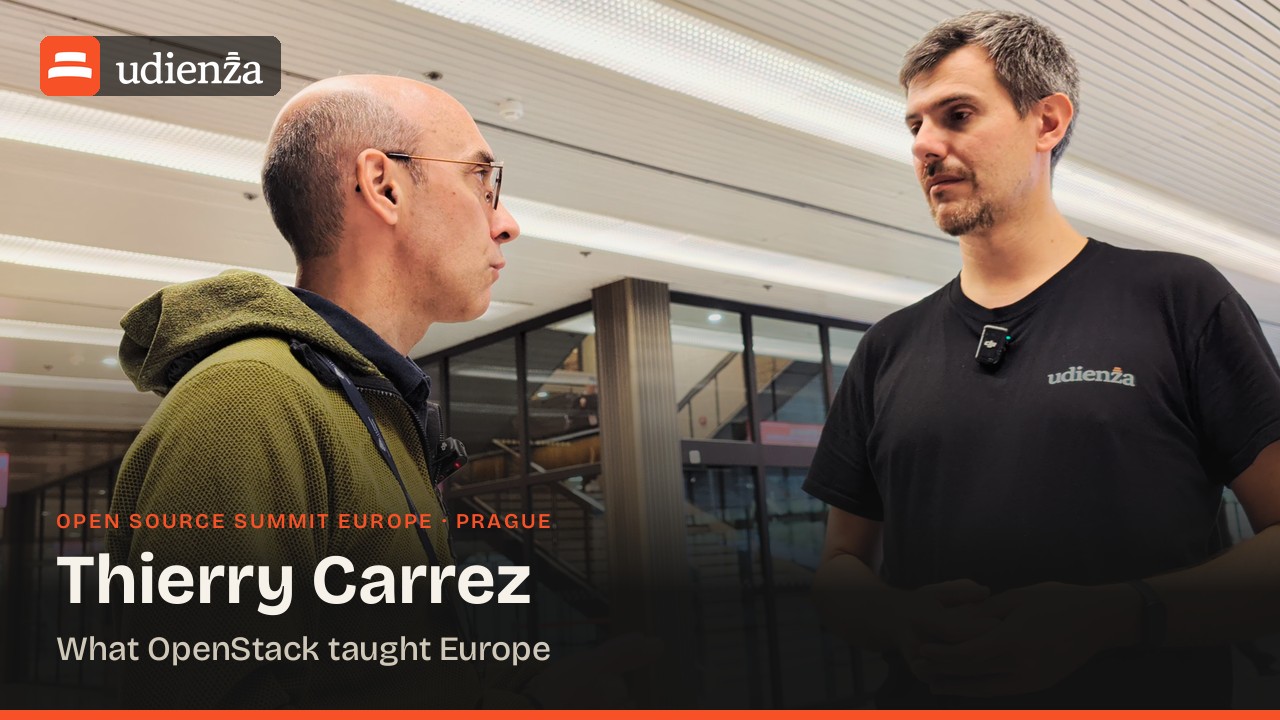
Thierry Carrez: What OpenStack taught Europe
-
Episode 29 · Coming
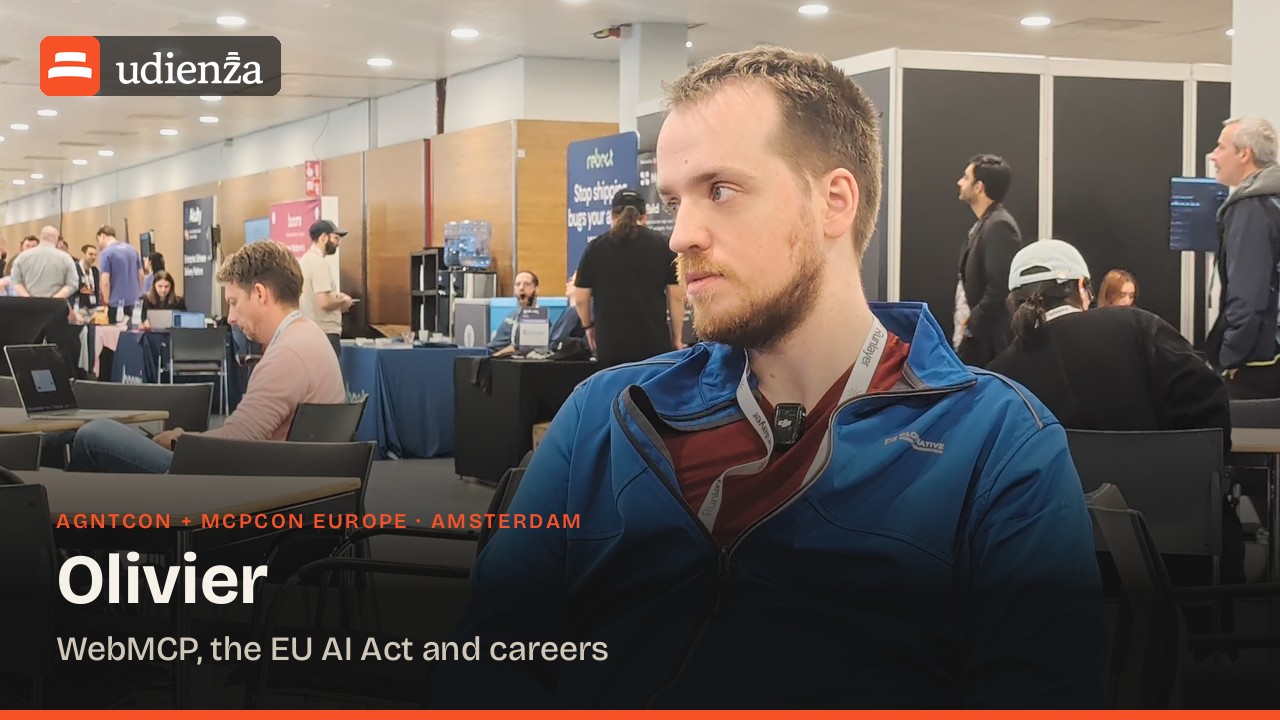
Olivier Calzi: WebMCP, the EU AI Act and careers