5 min read
SREday Amsterdam 2026: who we met
Monday 2 November at ING Cedar in Amsterdam: five conversations at SREday, on logs and agents, autonomous delivery, GPUs on demand and a conference kept small.
By  Luca Berton
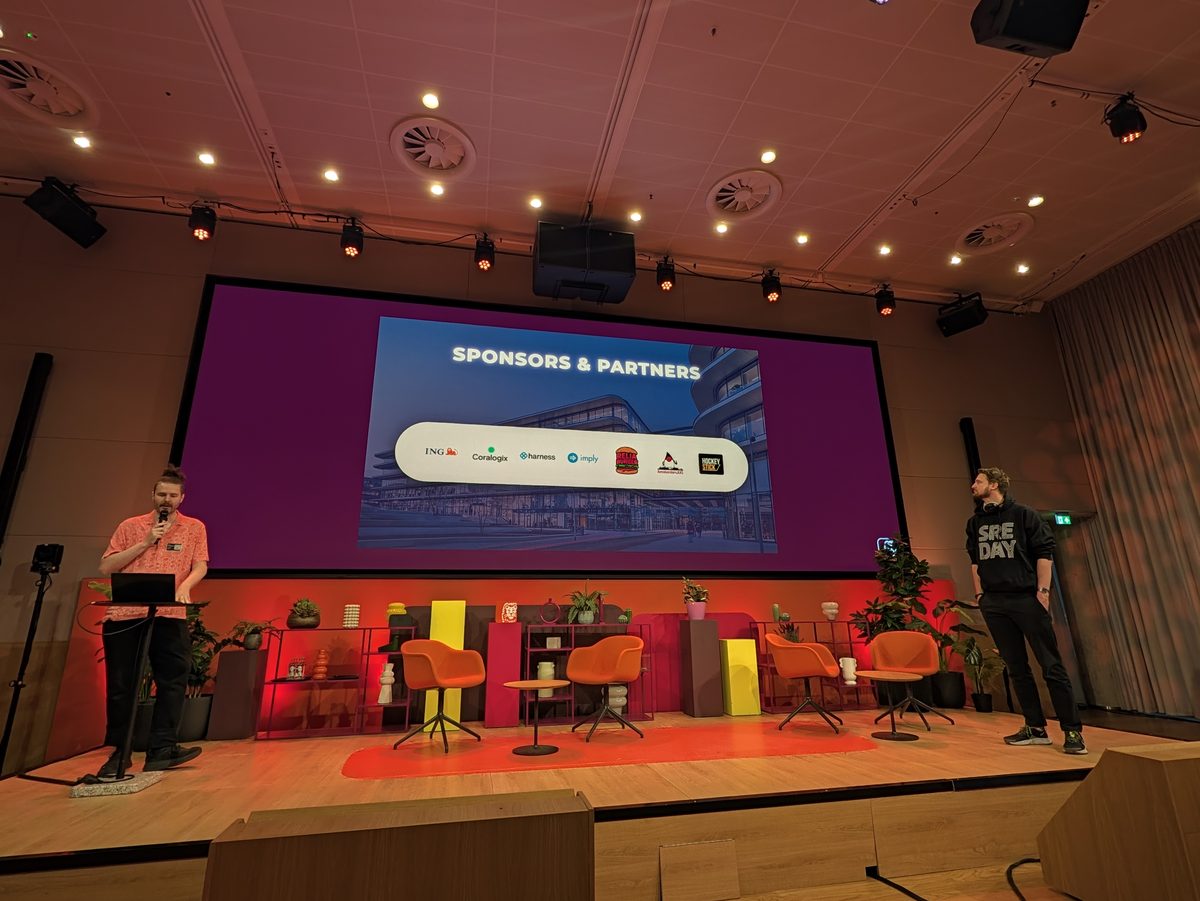
Monday 2 November 2026, SREday Amsterdam at ING Cedar, ING’s building on the Bijlmerdreef. Four tracks in four event halls, from 08:00 to 18:30, and, as its co-founder Mark Pawlikowski put it on the opening stage, hosted by ING “for the second time”. Udienza recorded five conversations: three with the day’s keynote speakers, one with a speaker of the afternoon, and one with the person behind the room. The host spoke too, on the main stage at 16:30. The question that came back all day was what agents do once they are let loose, and how you watch them.
The day in numbers
- 5 conversations recorded, at the stands and in the hallways.
- 4 tracks, in event halls 1 to 4.
- 100: about how many attendees an SREday has, on purpose.
09:15 — The first keynote
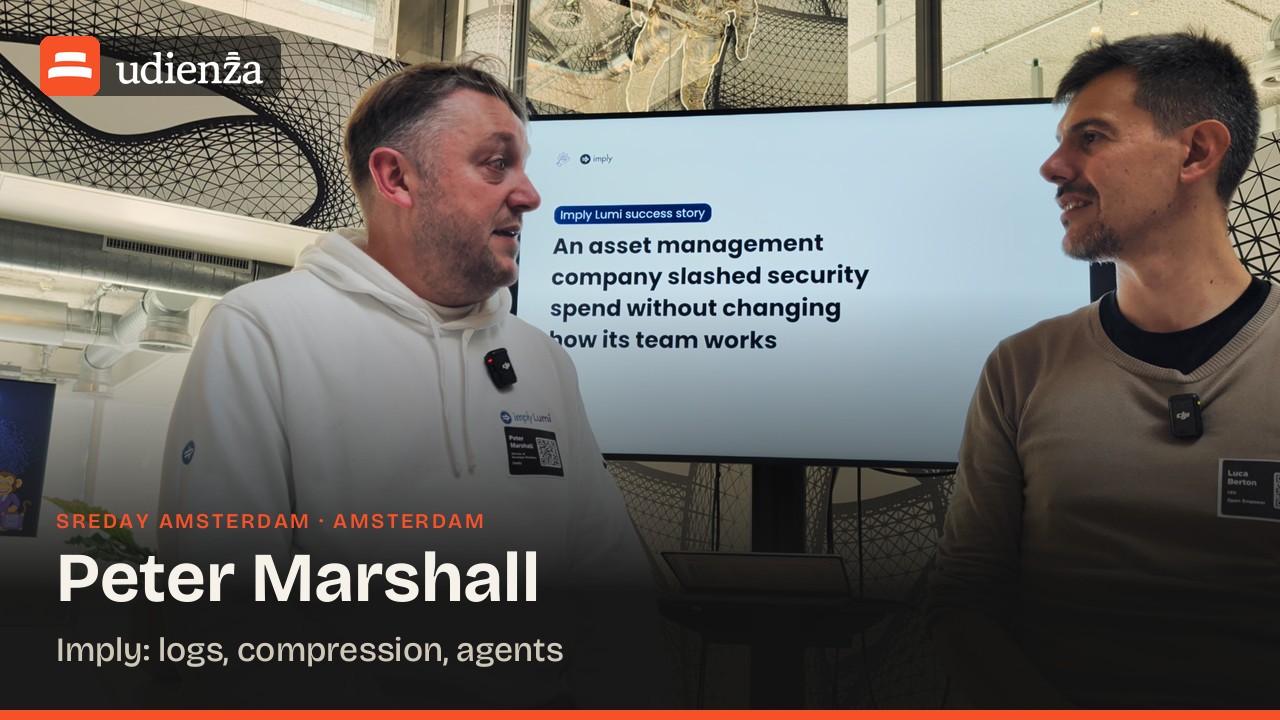
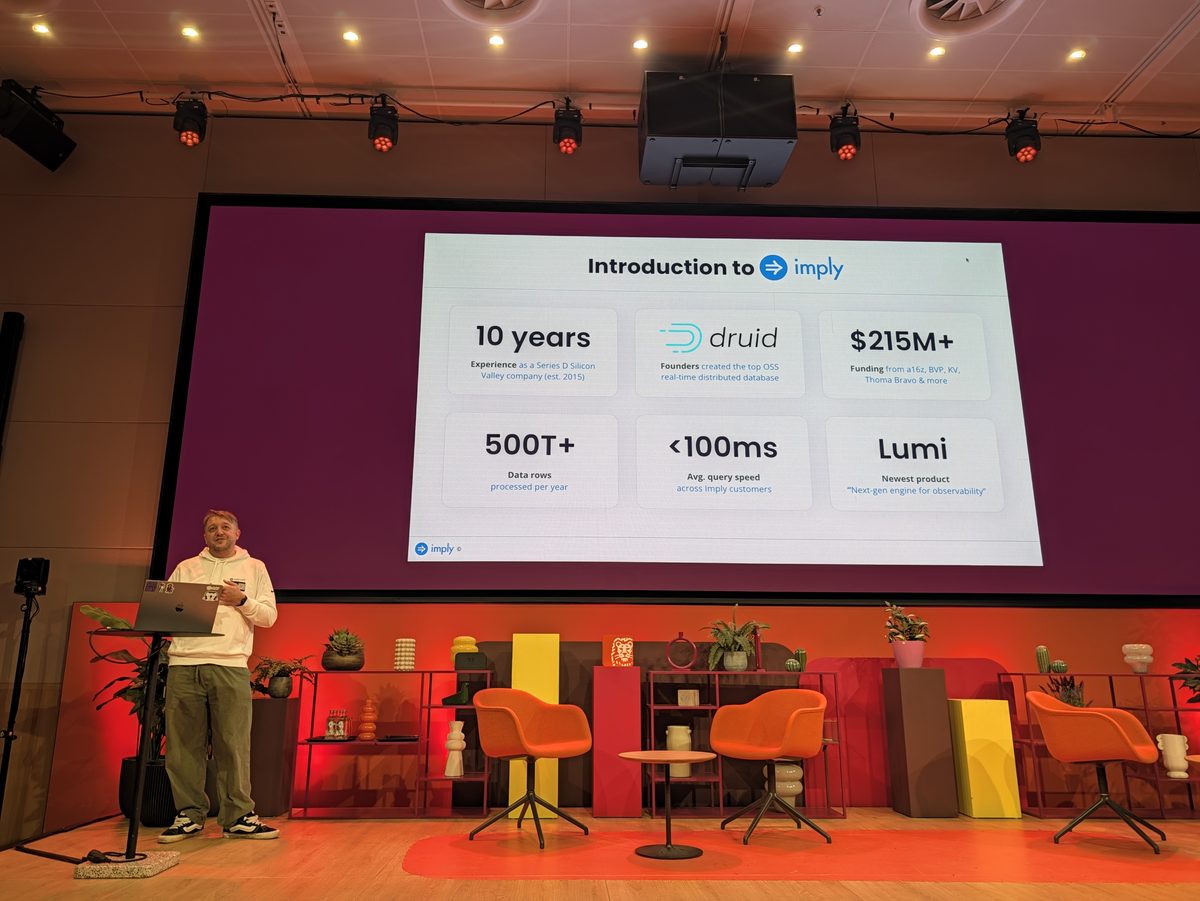
The first talk of the main stage was Peter Marshall’s, of Imply: “Agentic observability needs a new engine”. It was the subject of the first conversation too, an hour and a half later.
10:46 — Peter Marshall, Imply
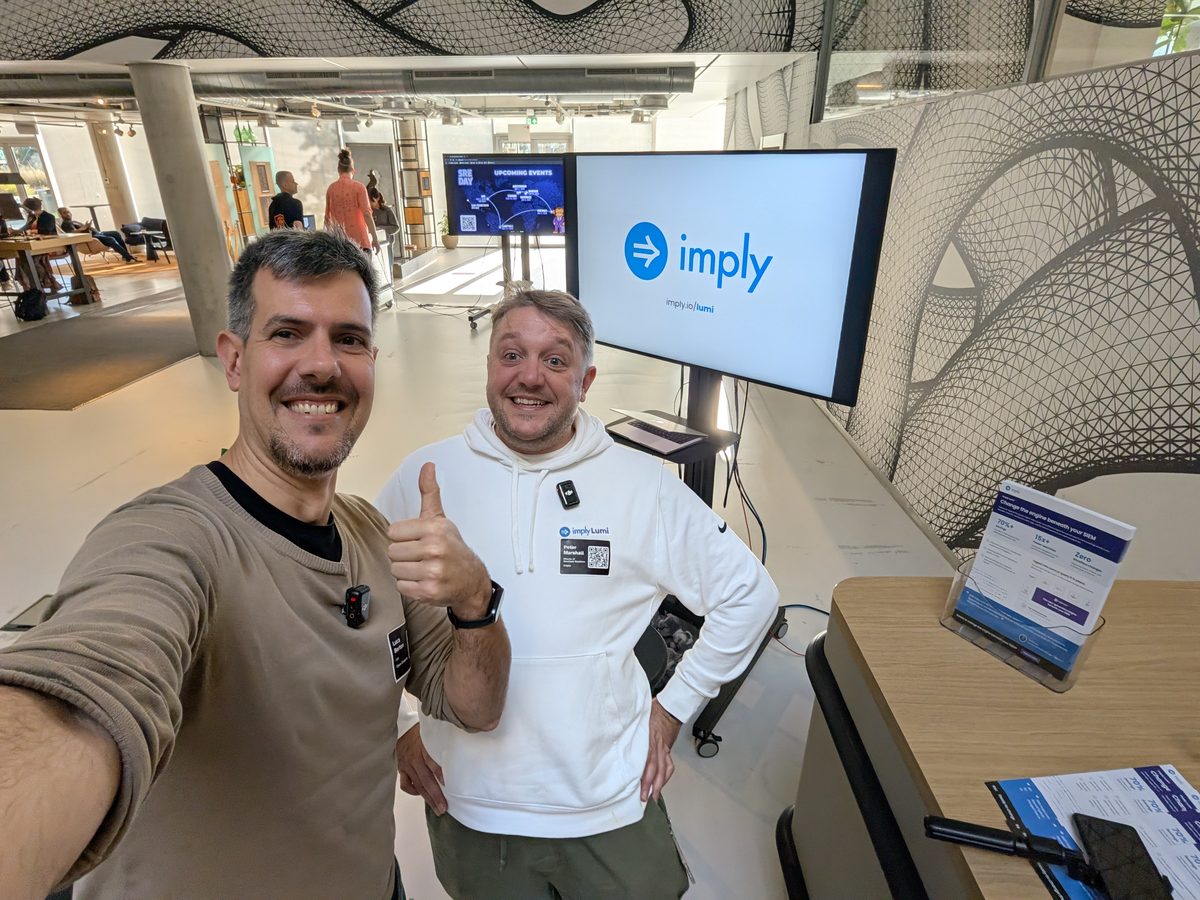
At the Imply stand, Peter Marshall, Director of Developer Relations, told the story of a bank whose investigation could not wait for its logs to be rehydrated, and of a compression that is “at least two, sometimes 20” times better. For the talk, an agent had been let loose on a security investigation: “it’s like you’ve let a teenager loose on this job and it does it really well”. The lesson Peter left: “monitor your agents”.
11:34 — Mark Pawlikowski, SREday
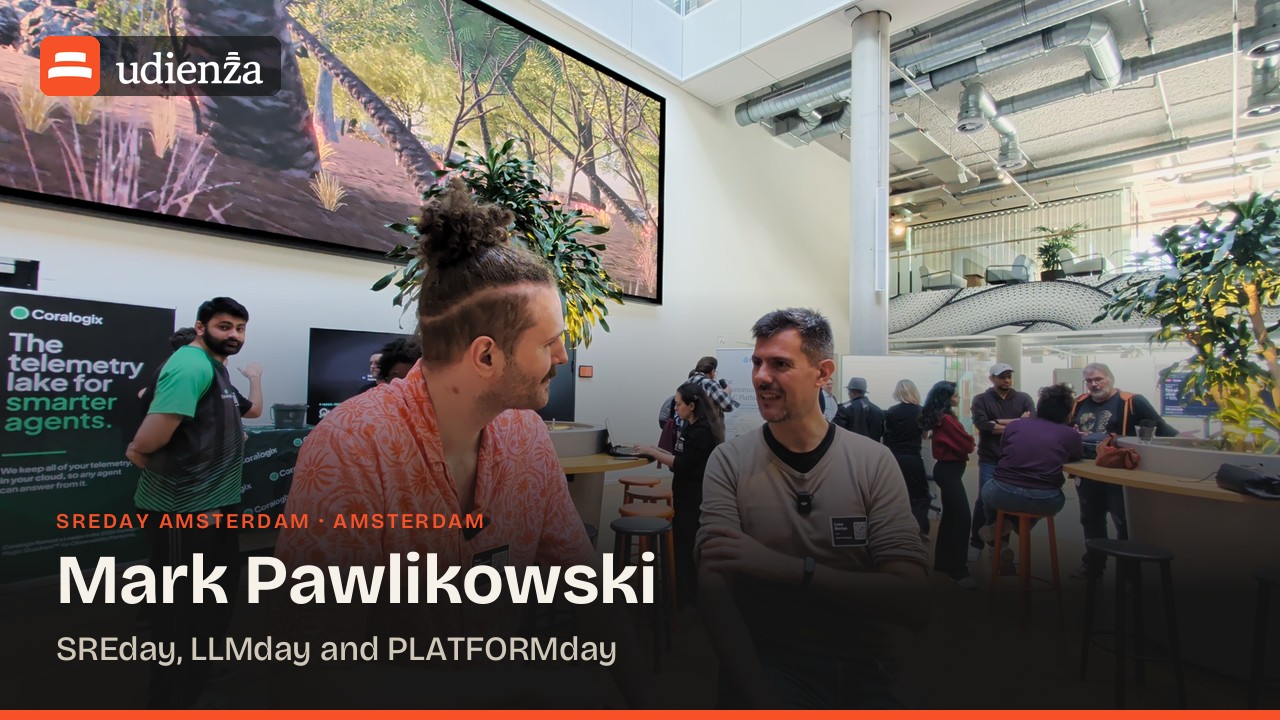
Mark Pawlikowski co-founded SREday with a brother, Miko Pawlikowski, who gave the 11:30 keynote. Mark has “a coder before. I have actually background in film festivals”; Miko “is an SRE full time”. The events stay small by design: “We do around 100 attendees.” And AI got a day of its own: “The reason why we started LLMday was because SREday was dominated by AI talks.”
14:00 — What’s new in Varnish
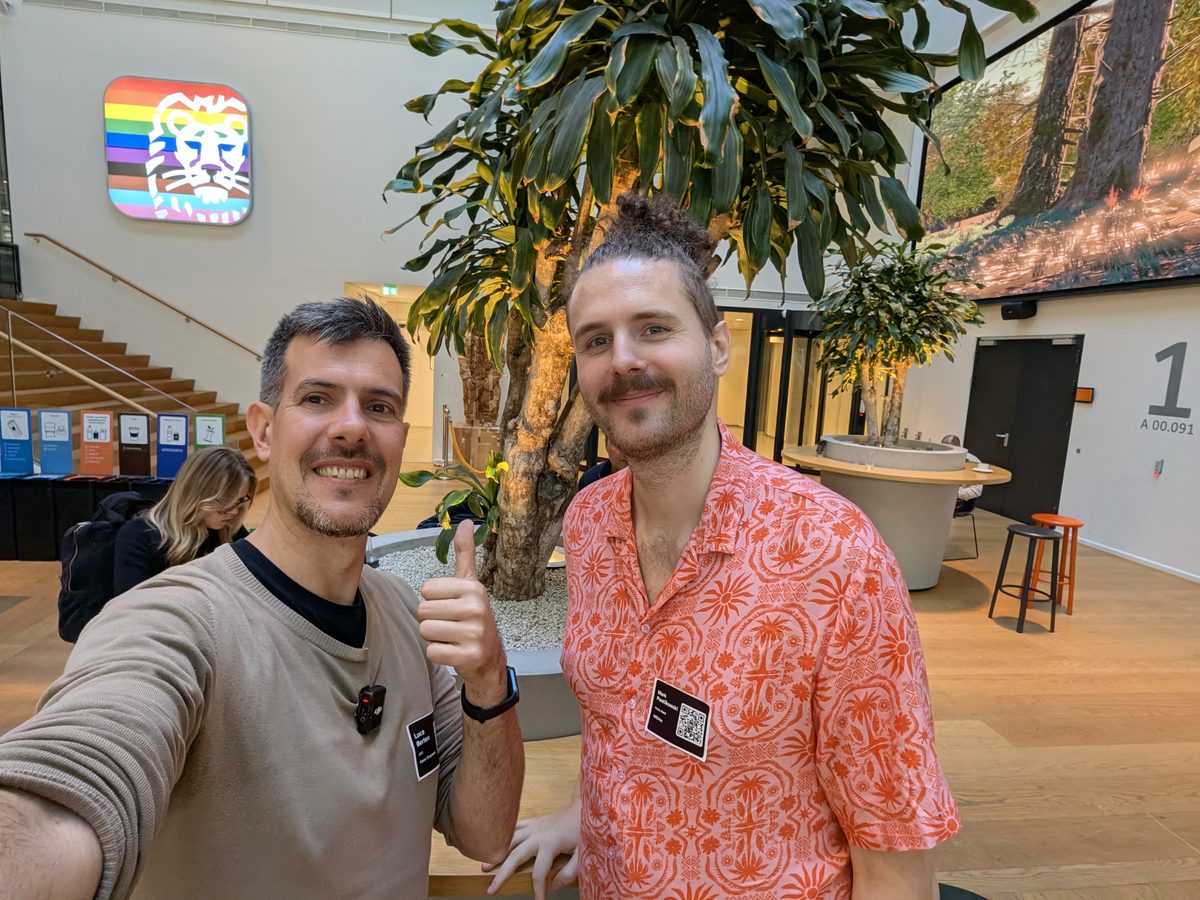
In event hall 2, Thijs Feryn of Varnish Software opened the afternoon with “What’s new in Varnish”: the Varnish Configuration Language, Varnish native TLS, dynamic backends, and the Varnish Gateway, “Kubernetes-native HTTP routing, powered by Varnish”.
14:30 — A GPU, curled into the cluster
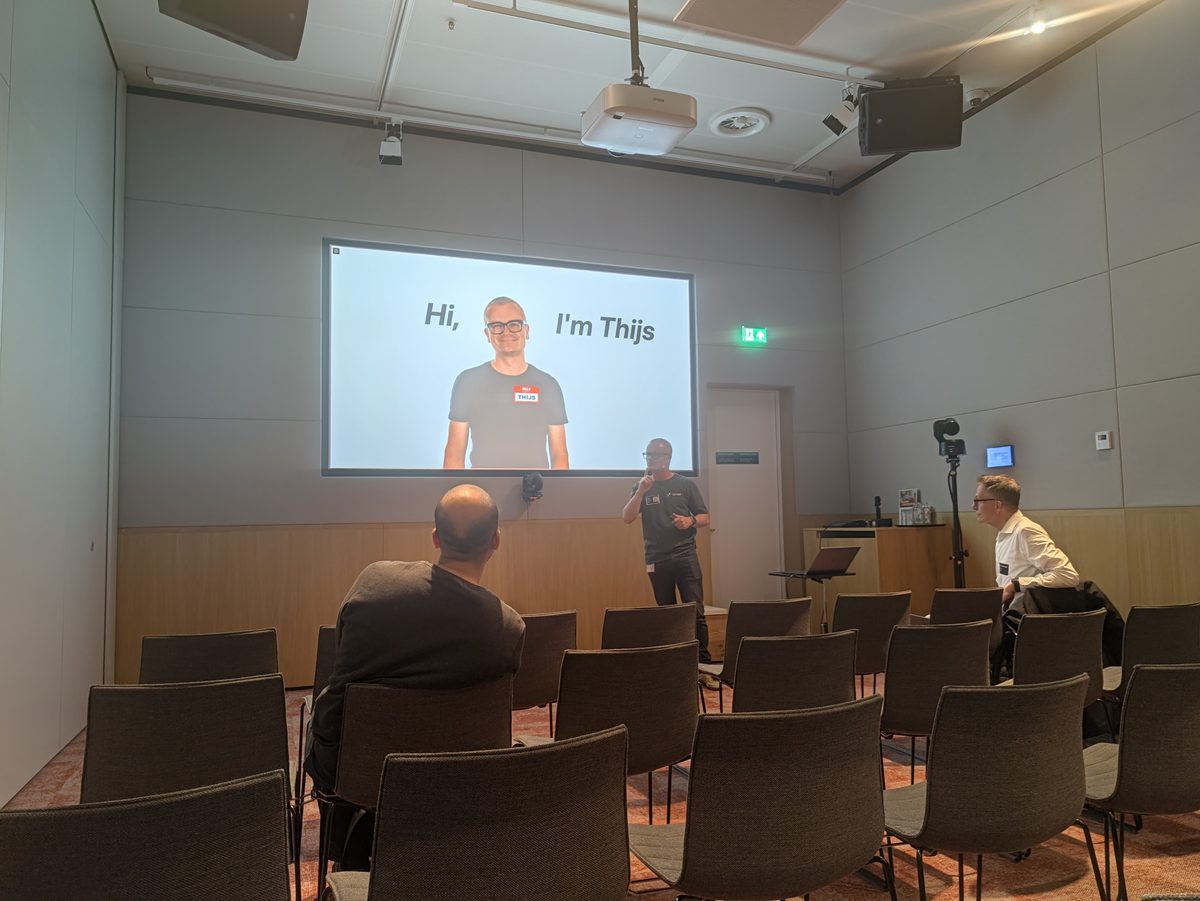
Next in event hall 2, Piotr Zaniewski of vCluster Labs: “Curl a GPU Into Your Cluster: Hybrid Kubernetes for AI Development”. The title was meant literally. On the slides, “a curl command installs kubelet and connects the tunnel”, and “A remote T4 joins the same cluster and becomes a placement target”: a cloud VM with an NVIDIA T4, next to a worker that is a Docker container on the laptop. “Every node joins the same way, with no network setup per VM.”
15:01 — Piotr Zaniewski, vCluster Labs
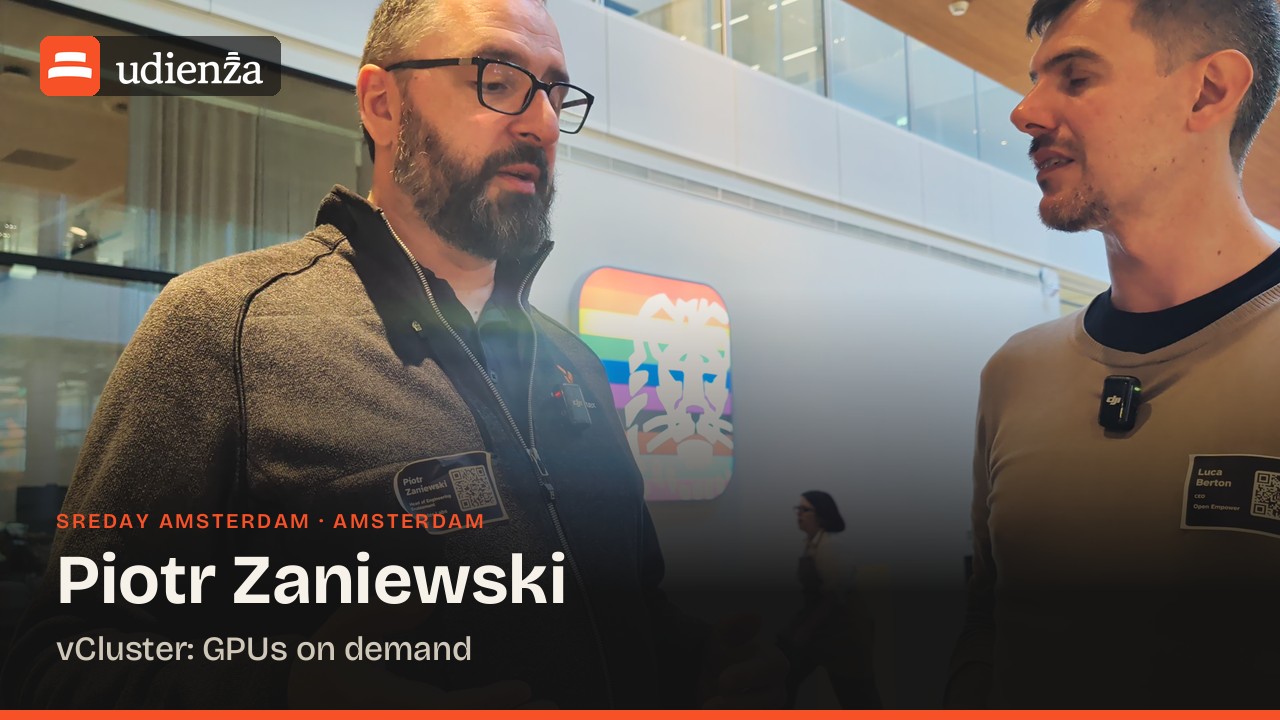
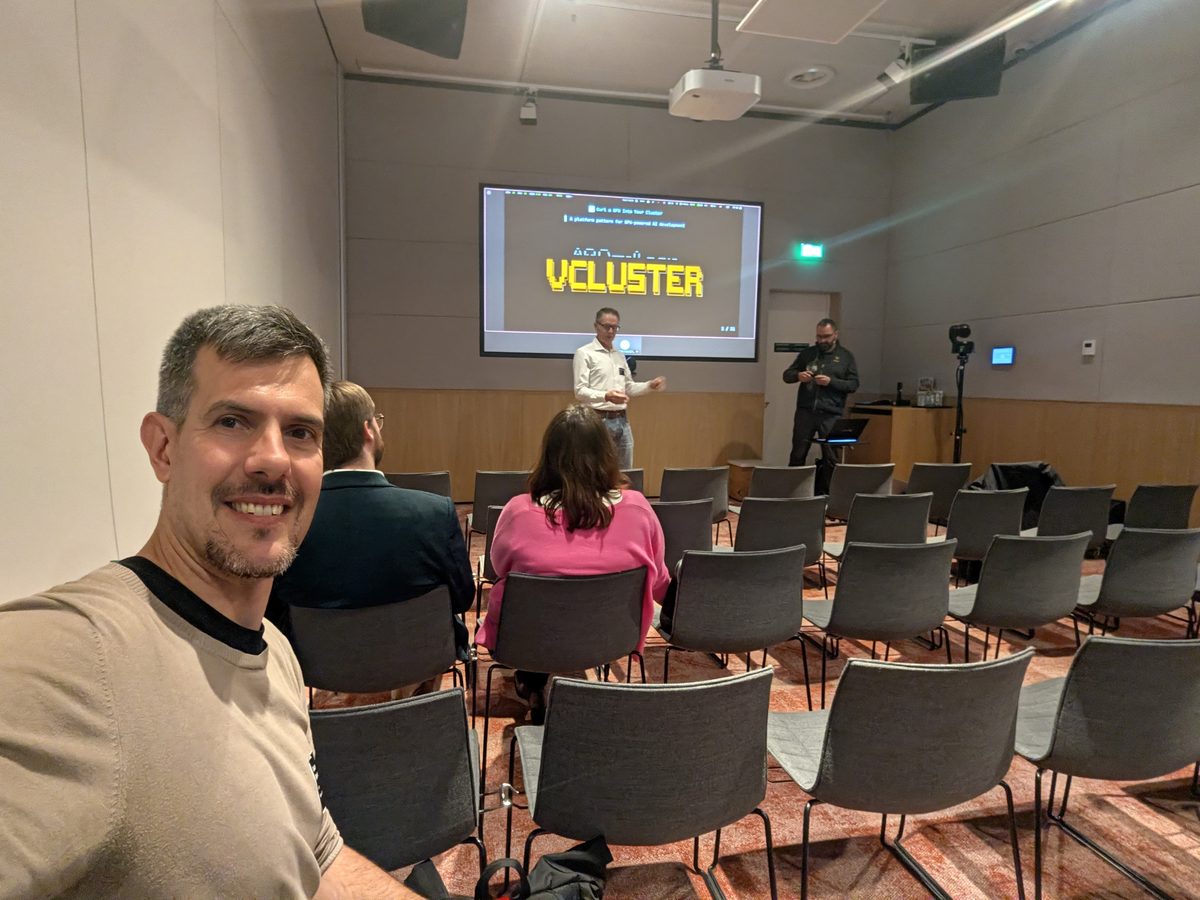
Half an hour later, the conversation with Piotr Zaniewski, Head of Engineering Enablement, started from the talk. “Developers want to test with GPUs, want to provision them”, and platform engineers have to give them those GPUs. vCluster began as “a virtualized Kubernetes control plane component inside of a pod”, and now slices “bare metal servers, virtual machines, whether it’s in Kubernetes or Slurm.” Piotr also brought news: two tiers that cost nothing, “vCluster open source and also a free tier where you can use our products with almost all features on for free.”
15:10 — Stephen Cihak, Harness
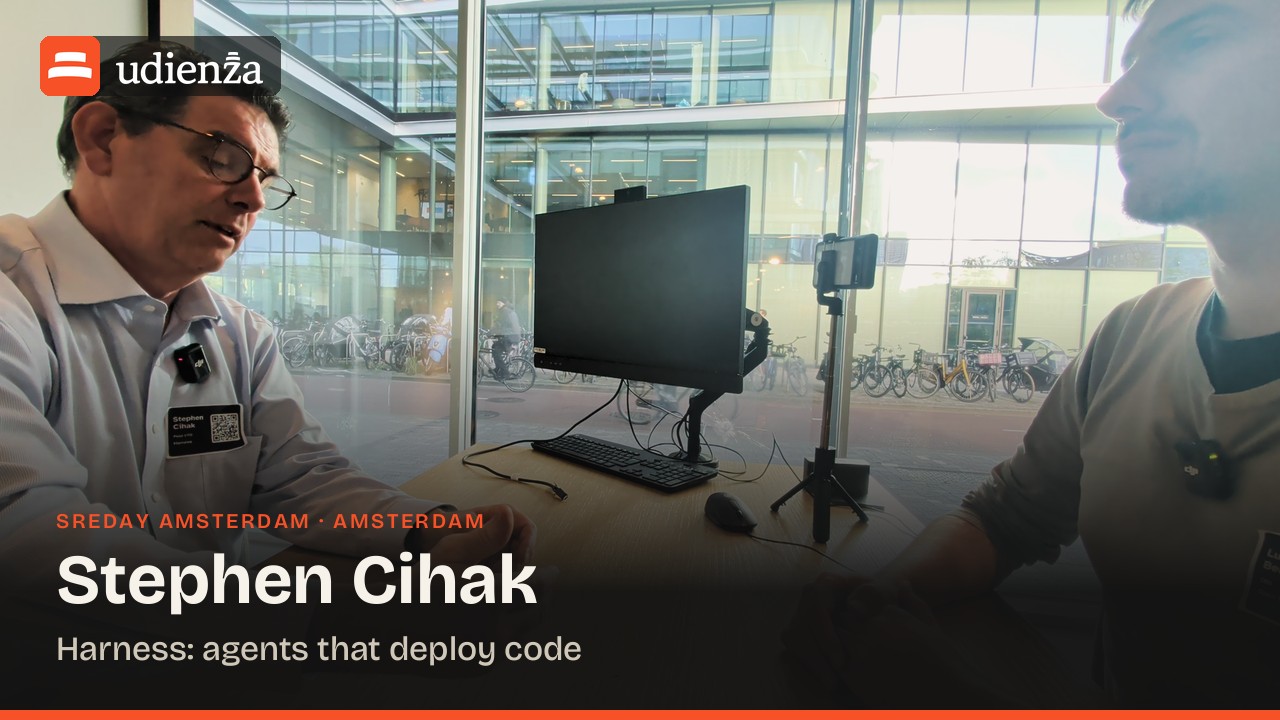
Stephen Cihak, Field CTO of Harness, had given the 11:00 keynote, “Closing the Loop: From Production Incident to Autonomous Fix”. The conversation was about the step after that: “agents that actually go out and deploy the code in a safe, secure, reliable way.” Each step gets the autonomy you decide, and the change advisor turns a release into “more of a data question than a probabilistic kind of subjective answer”. Harness, Stephen said, ships “a new feature being developed and released every 12 hours”.
16:30 — The host’s talk
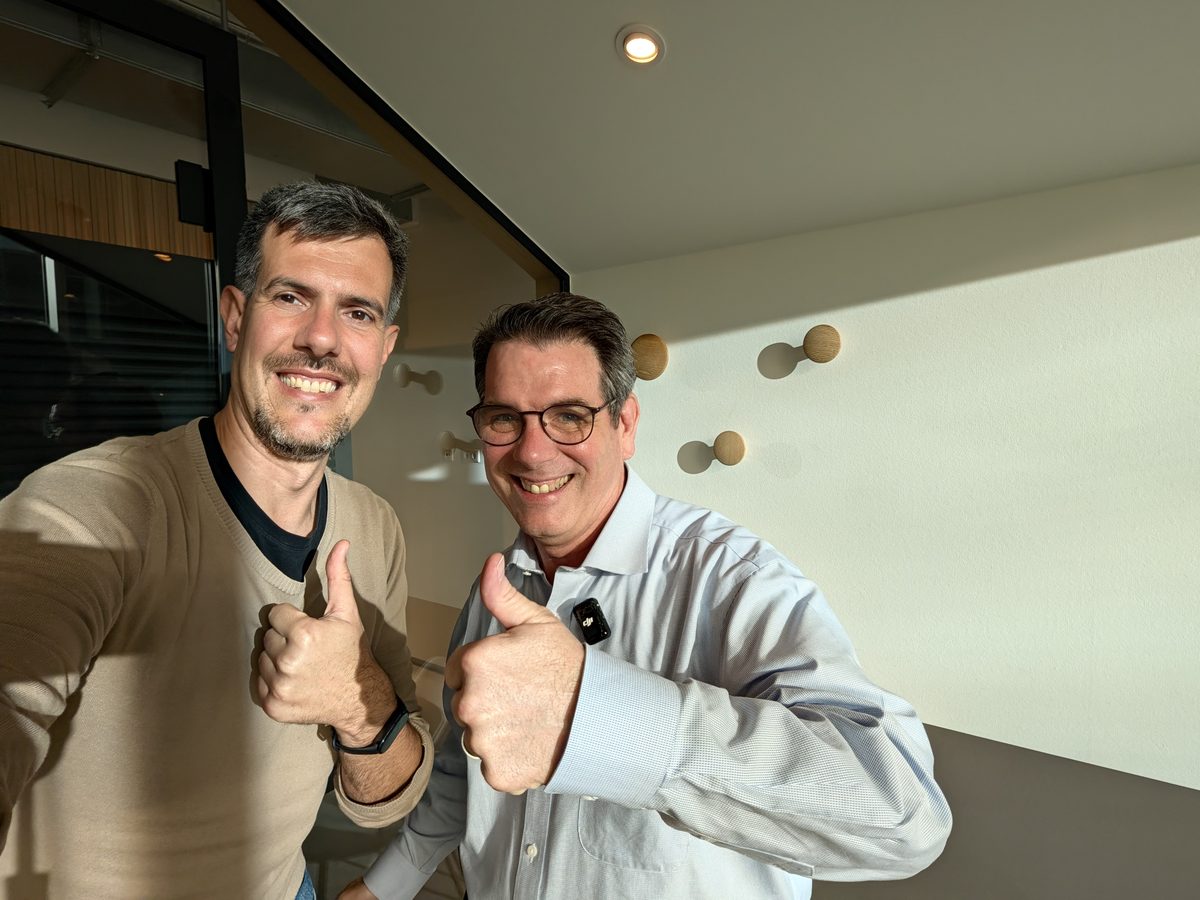
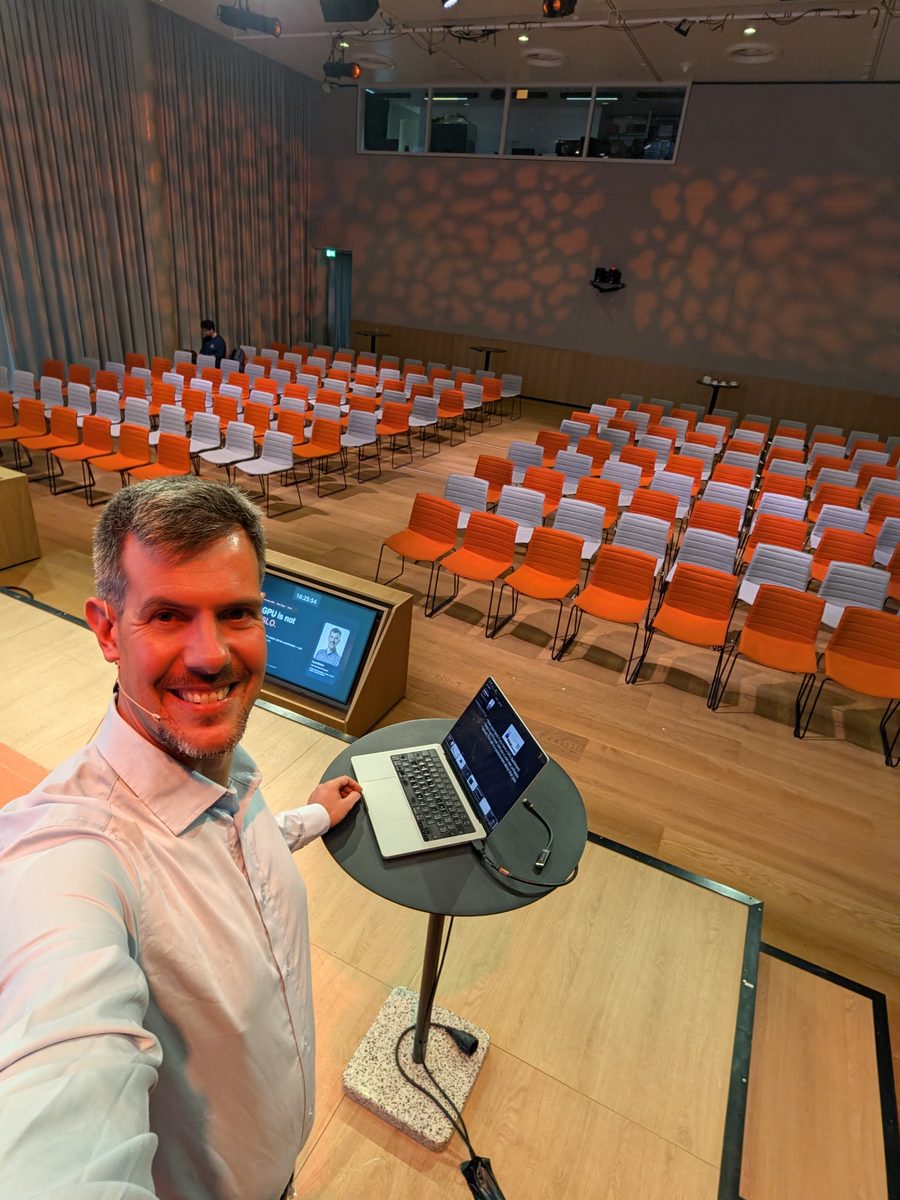
On the main stage, the host gave “The GPU Is Not Your SLO: Reliability Engineering for Production AI”.
17:02 — Lewis Isaac, Coralogix
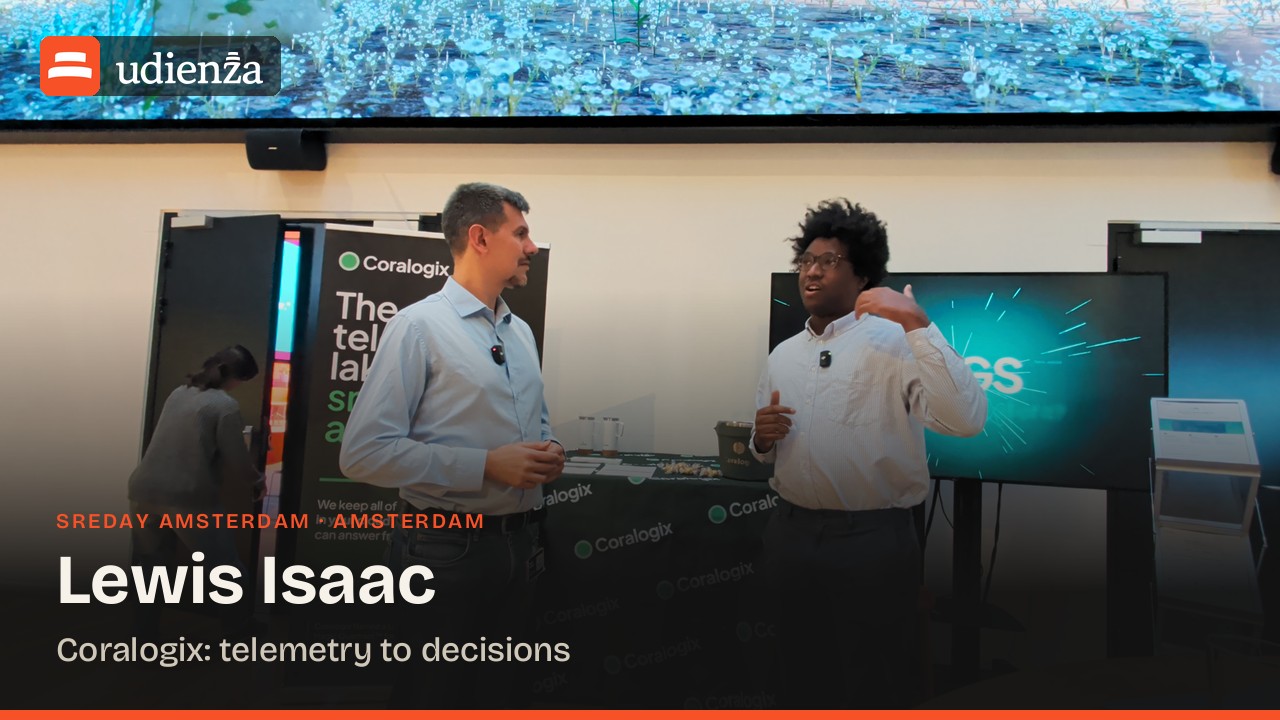
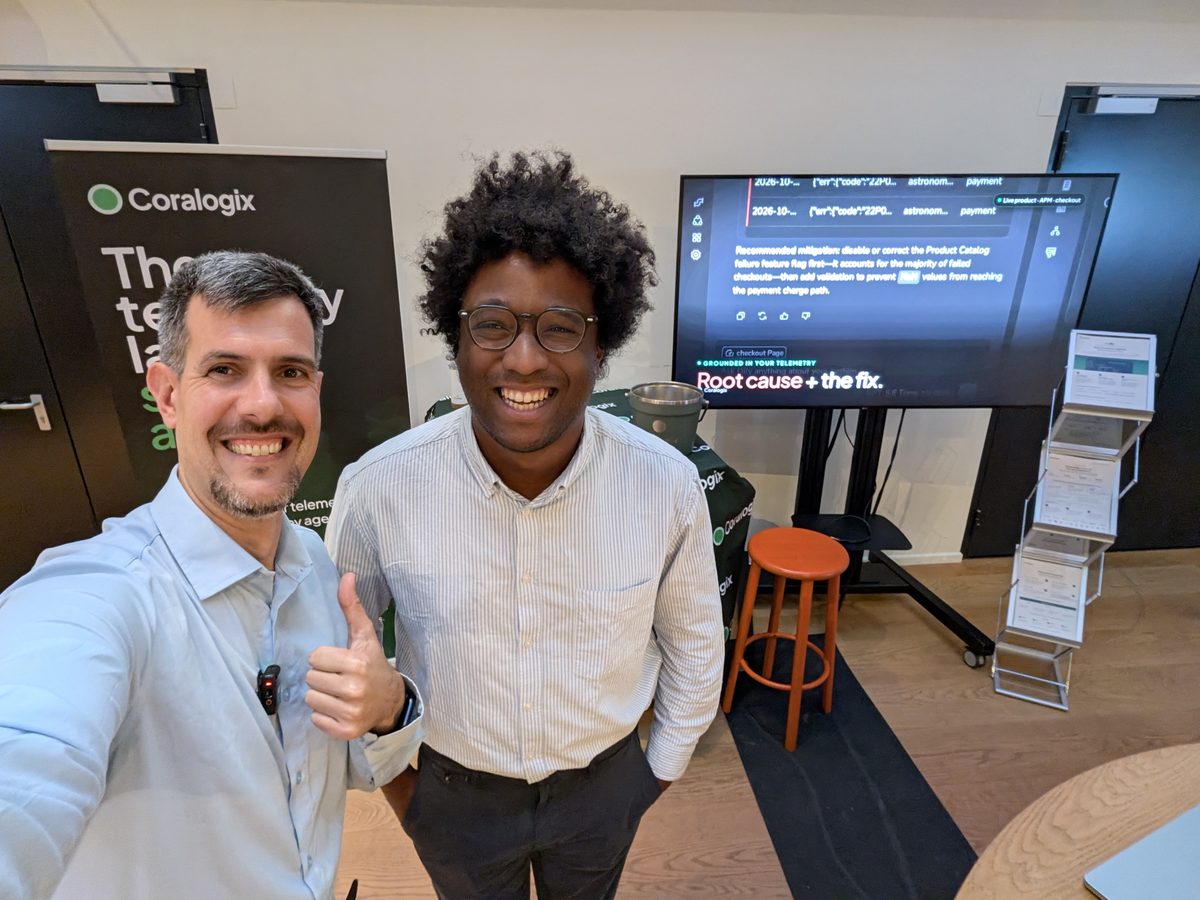
The last conversation was at the Coralogix stand, with Lewis Isaac, Developer Advocate, who had given the 10:30 keynote, “Who’s Watching the Agents? Measuring the Impact of AI-Assisted Development”. The answer is Coralogix’s AI center: “So how many tokens and what models and which different agents are causing the most cost.” And the agents can watch back: with a CLI, “your agent has the skill set to navigate through Coralogix”, so that it can “complete that feedback loop” and “learn from its mistakes.”
The conversations
All five have their own page:
- Peter Marshall: Imply: logs, compression, agents
- Mark Pawlikowski: SREday, LLMday and PLATFORMday
- Piotr Zaniewski: vCluster: GPUs on demand
- Stephen Cihak: Harness: agents that deploy code
- Lewis Isaac: Coralogix: telemetry to decisions
Like every episode, they go out on YouTube first, then on Apple Podcasts, Spotify and Amazon Music.
Built something the rest of us run on? Being a guest is free. Take the other chair
The episodes in this article
All episodes →-
Episode 107 · Coming
Peter Marshall: Imply: logs, compression, agents
-
Episode 108 · Coming
Mark Pawlikowski: SREday, LLMday and PLATFORMday
-
Episode 109 · Coming
Piotr Zaniewski: vCluster: GPUs on demand
-
Episode 110 · Coming
Stephen Cihak: Harness: agents that deploy code
-
Episode 111 · Coming
Lewis Isaac: Coralogix: telemetry to decisions