Coming soon 3:58 Recorded at Open Source Summit Europe, Prague
How should an AI agent get its credentials?
Secrets and identity for AI agents
Tony of OpenBao on SPIFFE identities and short-lived dynamic secrets for AI agents, external keys on an HSM in OpenBao 2.7, and its place in the OpenSSF.
Tony, Team member, OpenBao · with  Luca Berton
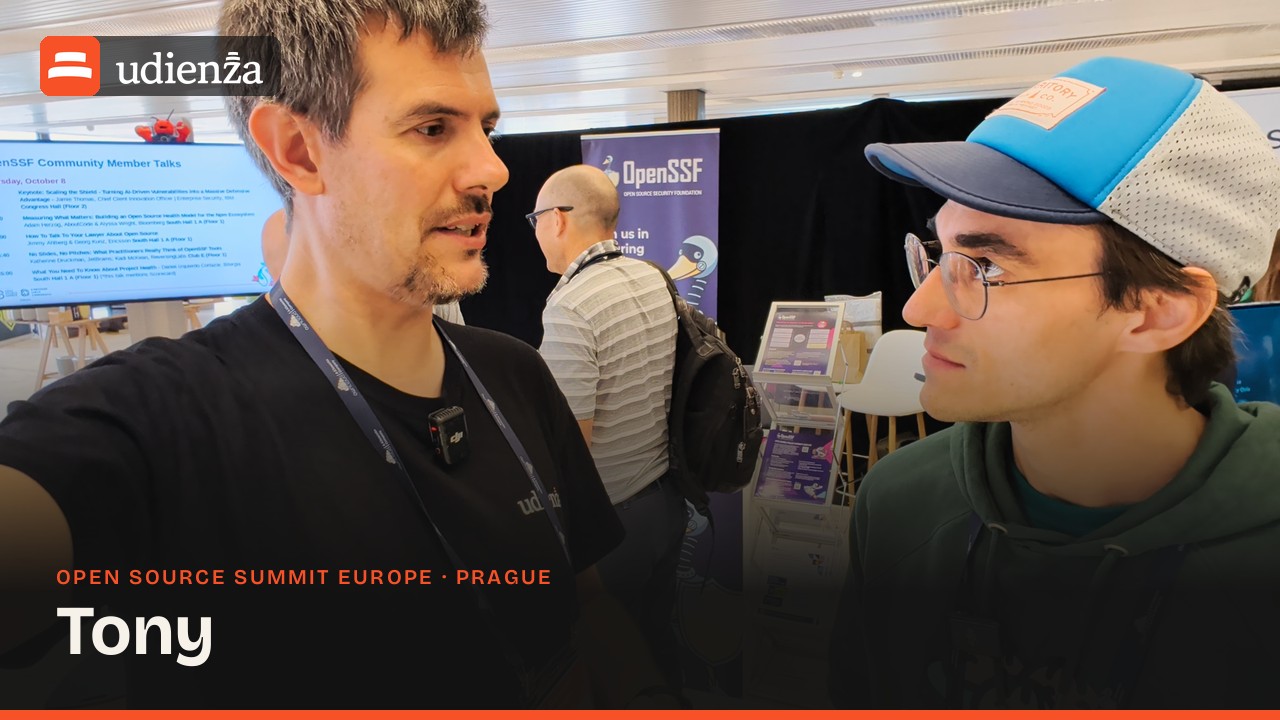
Not filmed yet.
Tony is part of the team behind OpenBao, the open source secrets manager that forked from HashiCorp Vault and is a project of the OpenSSF, under the Linux Foundation. The show met him in the OpenSSF area at Open Source Summit Europe 2026 in Prague.
Follow the show and the episode arrives the morning it's published.
In brief
- OpenBao can help isolate AI agents, with SPIFFE for workload identity making authentication easier for agents.
- Its PKI engine, with policy support added in a recent version, can issue certificates that are valid SPIFFE documents, which agents can use to connect to external services.
- An agent should not borrow its user's credentials: it should use dynamic secrets, created on the fly with a short lifetime so that they expire and do not leak.
- This is the beginning: doing the same for JWTs is not there yet, and is planned to be looked at in the next release.
- These security mechanisms are in OpenBao from 2.6 onwards; 2.7.0, released two weeks before the conversation, adds external keys, so cryptographic operations can run on an HSM.
- OpenBao stays compatible with the Vault API, so any Vault-compatible SDK works: Go, Python, Ruby and others.
- To get started: the docs on openbao.org, and courses on Killercoda.
- OpenBao is under the OpenSSF umbrella; without a booth of its own in Prague, the team stayed with the OpenSSF people.
Chapters
- 0:00 SPIFFE identities for agents
- 1:06 Dynamic secrets, short lifetimes
- 1:32 OpenBao 2.6 and 2.7
- 2:24 Any Vault-compatible SDK
- 2:46 Getting started
- 3:07 Part of the OpenSSF
Why this conversation
An AI agent that acts for a user needs credentials of its own, and how it gets them is a question for whoever runs the platform. OpenBao, the open source secrets manager that forked from HashiCorp Vault, has been looking at exactly that. At Open Source Summit Europe in Prague, the host met Tony of OpenBao in the OpenSSF area for a short conversation, about four minutes. The same day the show also recorded Alex Scheel on OpenBao 2.7. The rest of the week is in Open Source Summit Europe 2026: who we met.
An identity for each agent
The team has recently looked at how OpenBao can help isolate agentic AI, using SPIFFE for workload identity. That makes authentication easier for agents, for example agents running on your computer. It works through OpenBao’s PKI engine, which gained policy support in one of the latest versions: the engine can now issue certificates that are valid, verifiable SPIFFE documents. Your agents can then use that SPIFFE identity outside your computer to connect to external services.
So should an agent use its user’s credentials? “Well, it should always use dynamic secrets, of course.” Not long-lived secrets, which you do not want to spread around. Instead, connect your agents to OpenBao, create the secrets on the fly and give them a short lifetime, so that they expire and do not leak.
Where the project is
“Well, we are just at the beginning, of course.” The PKI extension can create SPIFFE identities today. Doing the same for JWTs is not there yet; the team plans to look at it in the next release. The mechanisms are in OpenBao from 2.6 onwards. And two weeks before the conversation the project released 2.7.0, which finally brings external keys: cryptographic operations can now run on your HSM.
On SDKs, OpenBao is a fork of Vault and stays compatible with its API, so any SDK that works with Vault works with OpenBao: Go, Python, Ruby, whichever you choose.
Getting started
The easiest way in is the documentation on openbao.org, along with the courses there, and courses on Killercoda where you can learn more.
Part of the OpenSSF
“OpenBao is a project that is part of the OpenSSF.” It sits under the OpenSSF umbrella, within the Linux Foundation, and Tony says the project appreciates the help it gets from the OpenSSF, sponsorship included. In Prague, for example, OpenBao had no booth of its own, but the team could stay with the OpenSSF people and talk about OpenBao with everyone interested. The people the show has met from the project are on OpenBao: the people on Udienza.
Mentioned in this episode
About Tony
Tony is part of the team behind OpenBao, the open source secrets manager that forked from HashiCorp Vault and is a project of the OpenSSF, under the Linux Foundation. The show met him in the OpenSSF area at Open Source Summit Europe 2026 in Prague.
Running this in production? Luca Berton helps platform teams take it from prototype to reliable production. See how he works
Built something the rest of us run on? Being a guest is free. Take the other chair
More episodes
All episodes →-
Episode 57 · Coming
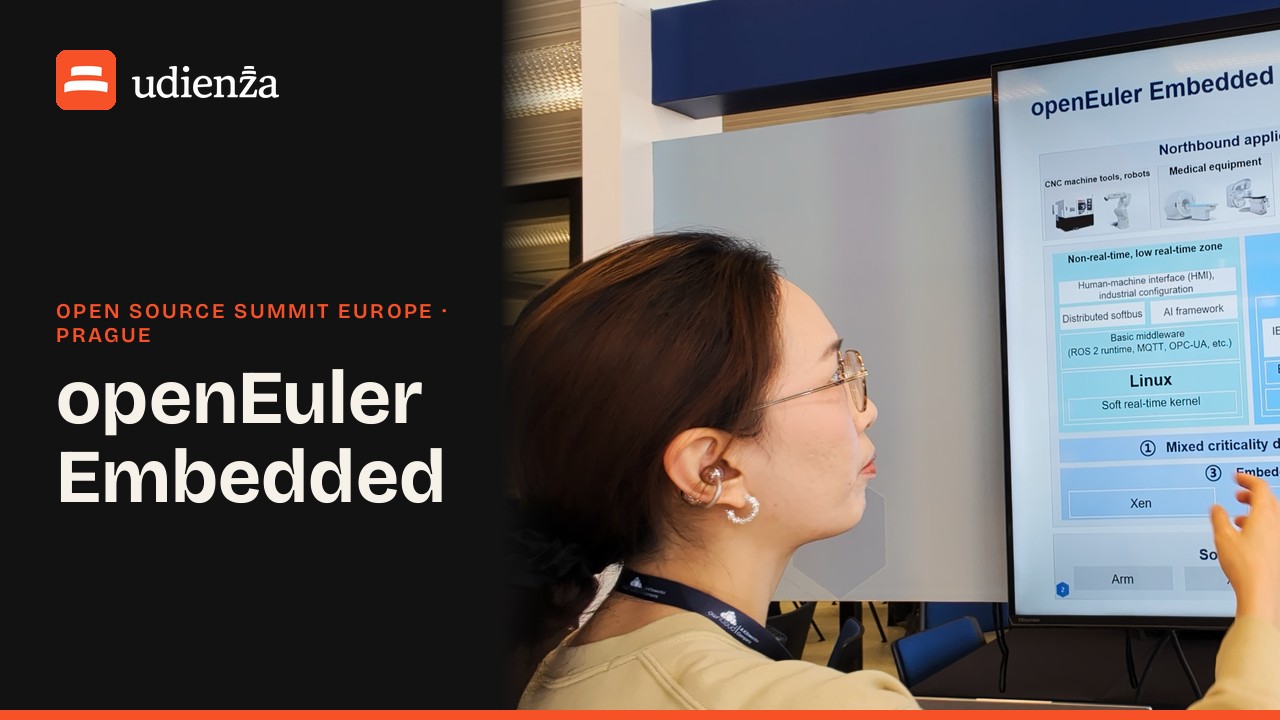
The openEuler Embedded team: Real time on one chip
-
Episode 59 · Coming
The Phosh developers: A phone on mainline Linux
-
Episode 54 · Coming
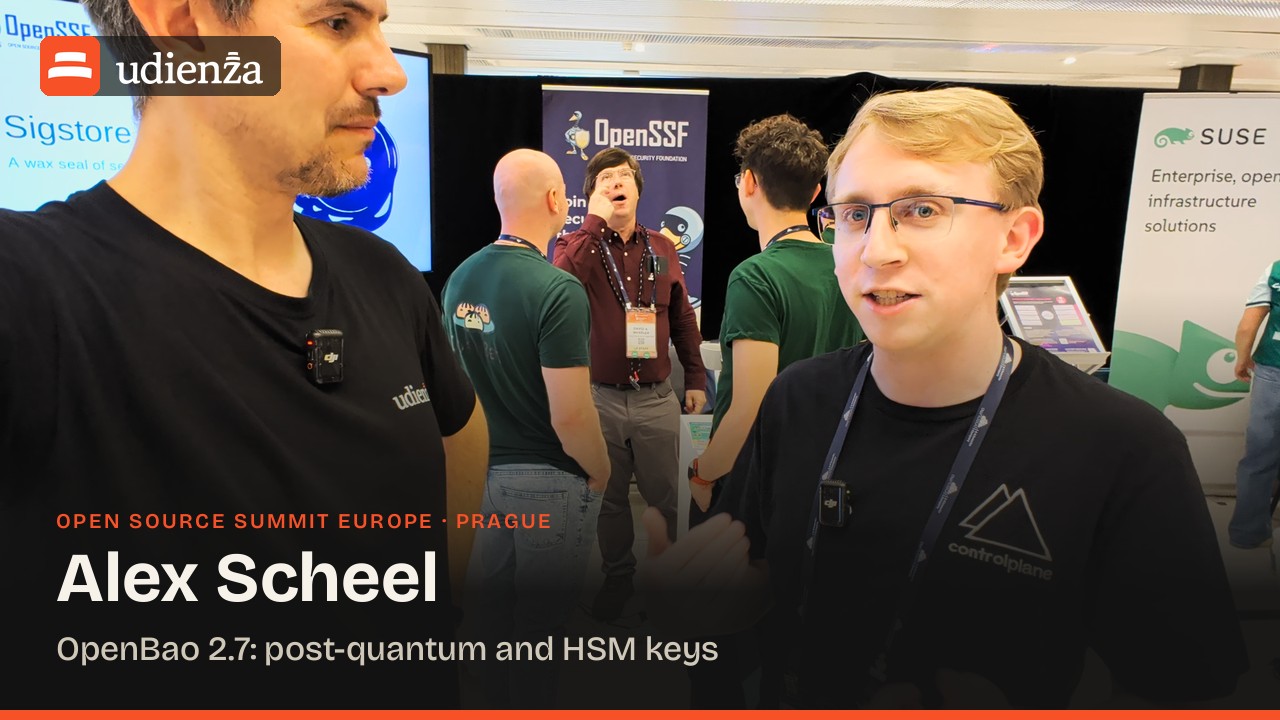
Alex Scheel: OpenBao 2.7: post-quantum and HSM keys
-
Episode 48 · Coming
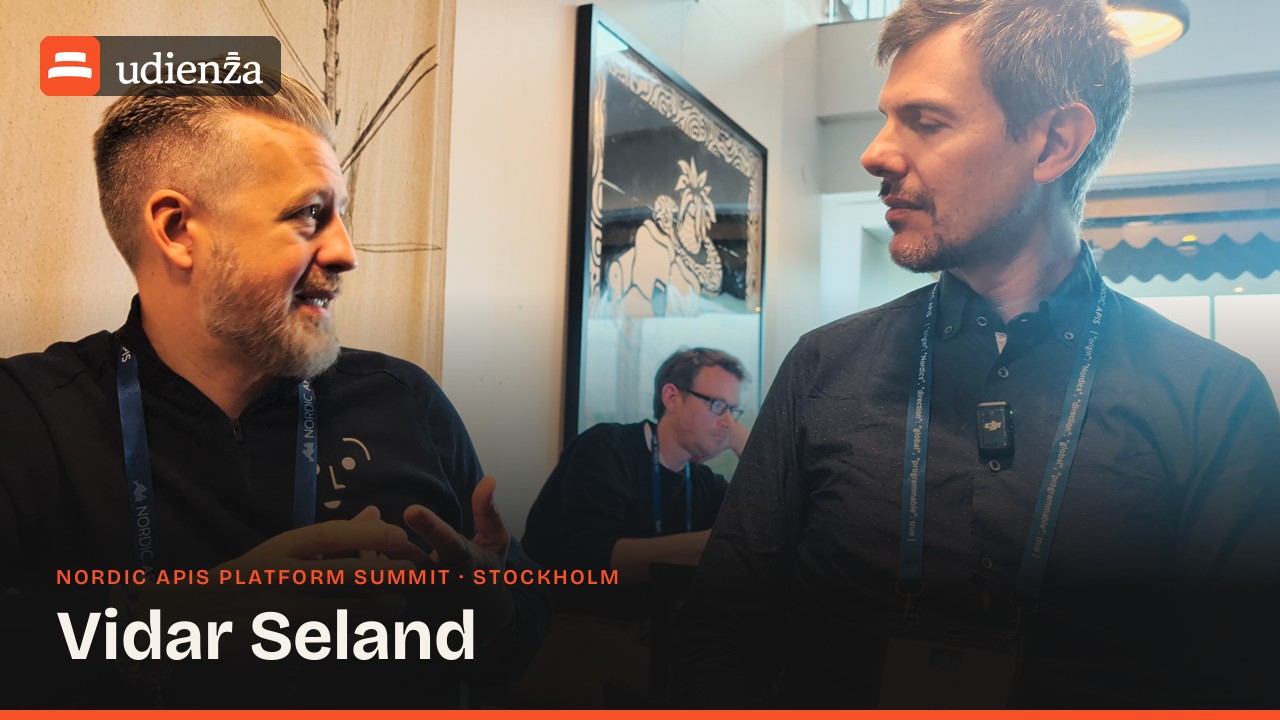
Vidar Seland: Two-second logins with OBOS ID