
6 min read
IBC 2026: a cloud-native walk through broadcast
Fourteen halls of media technology at the RAI, seen by someone who usually covers Kubernetes: open standards, sovereignty, provenance and a lot of AI.
By  Luca Berton
Fourteen halls at the RAI
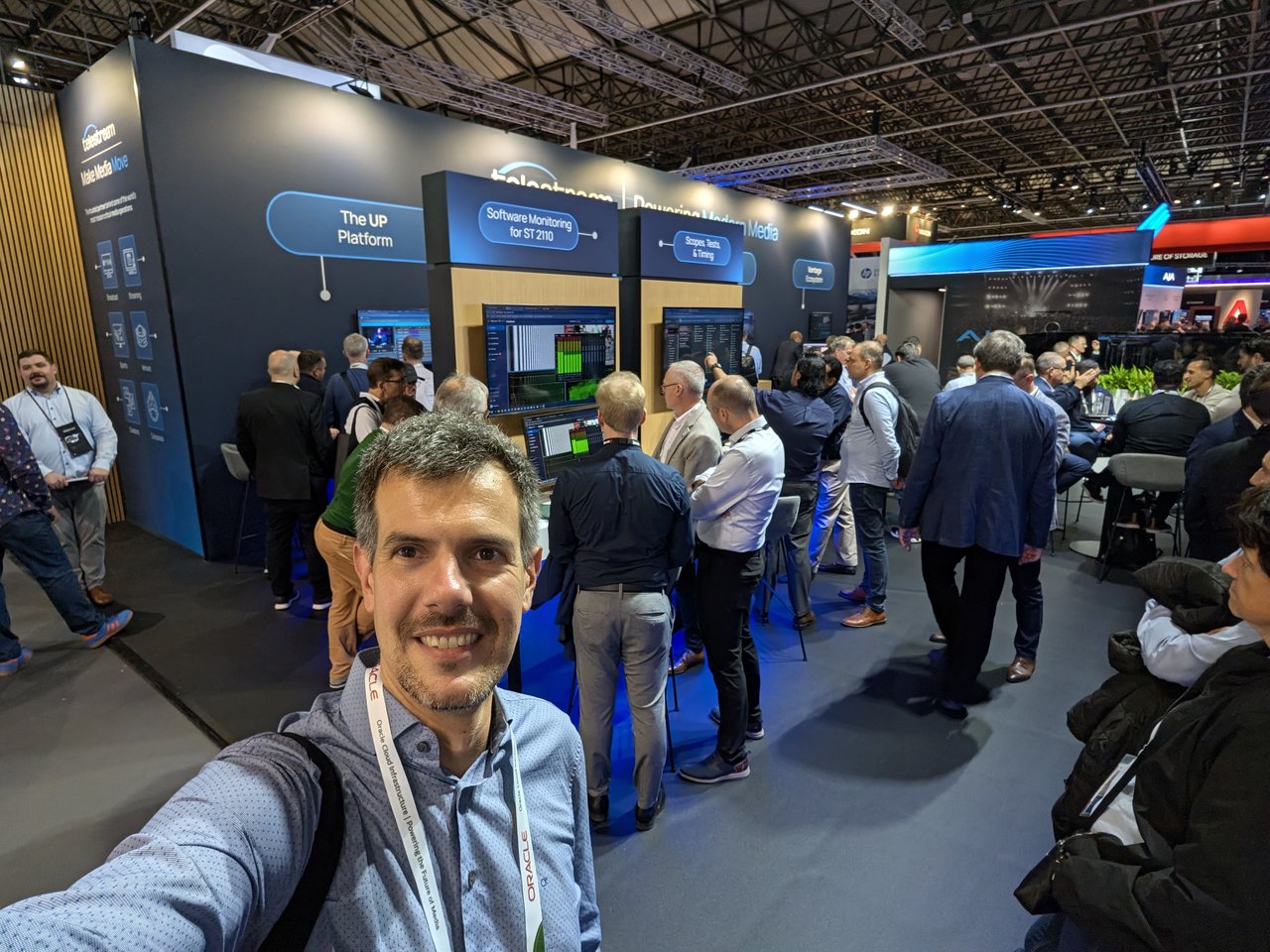
IBC ran at the RAI Amsterdam from 11 to 14 September 2026: fourteen halls, more than 1,300 exhibitors, and an industry that does not overlap much with the one this show usually films. No episodes were recorded there. The host, Luca Berton, went as a visitor, and this is the part worth writing down — what a broadcast trade floor looks like to someone whose normal beat is Kubernetes, and how much of it turns out to be the same argument in different clothes.
The open-source story most people missed
The IBC Innovation Awards went to the usual mix of broadcaster projects, but one winner belongs in any conversation about open infrastructure: the Media eXchange Layer, an open-source initiative from the EBU and NABA supported by the Linux Foundation. MXL sets out an open, interoperable fabric for software-defined live production, so media organisations can build vendor-agnostic production infrastructure.
Read that again with cloud-native eyes. An industry built on proprietary hardware chains, standing up a Linux Foundation project so the pieces can be swapped. That is the same move the data centre made a decade ago, arriving in live television.
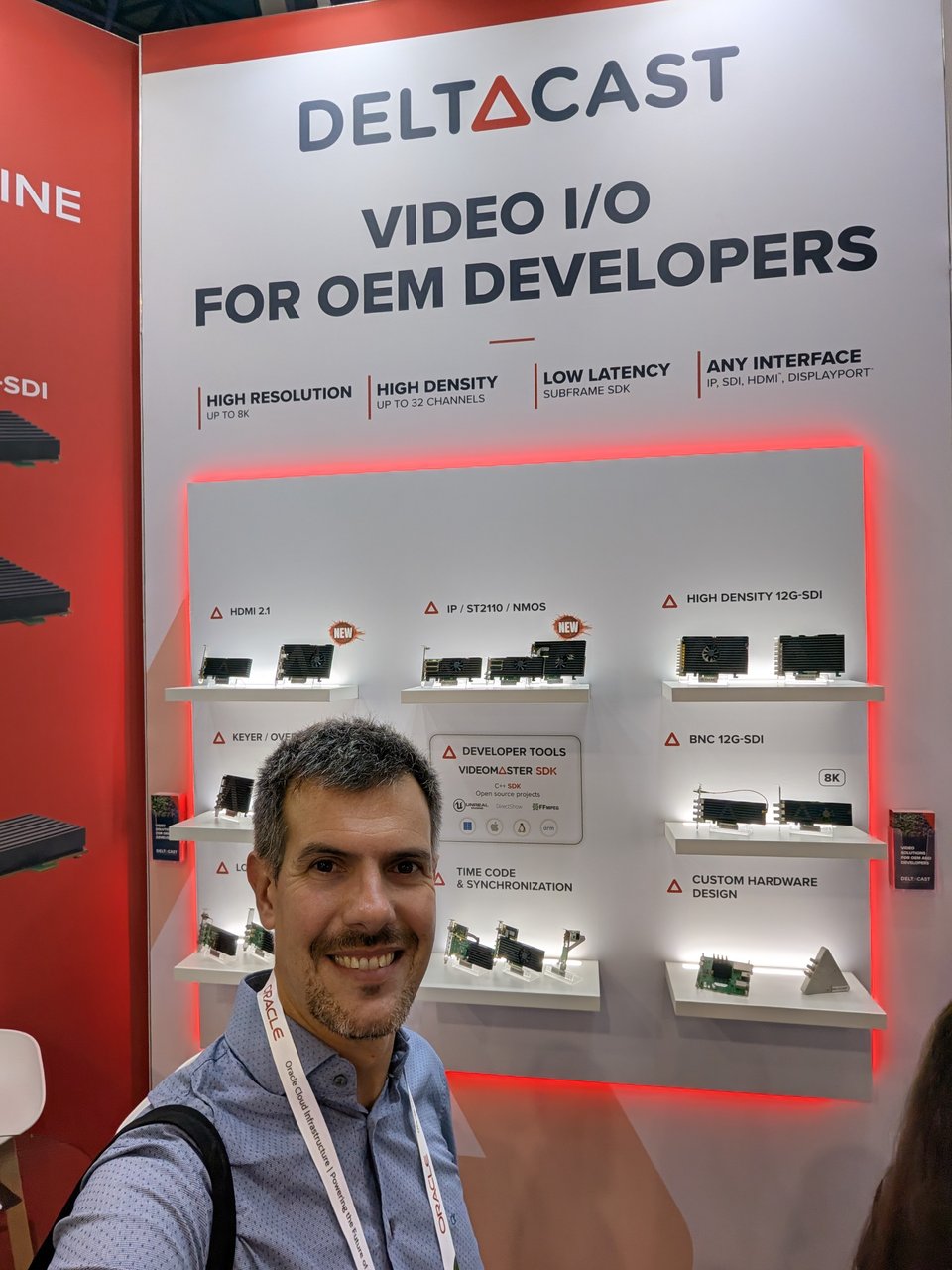
The hardware on the floor tells the same story from the other end. Video I/O vendors now lead with IP and ST 2110 alongside SDI, and ship SDKs rather than just cards.
Audio went to the cloud without anyone writing a blog post about it
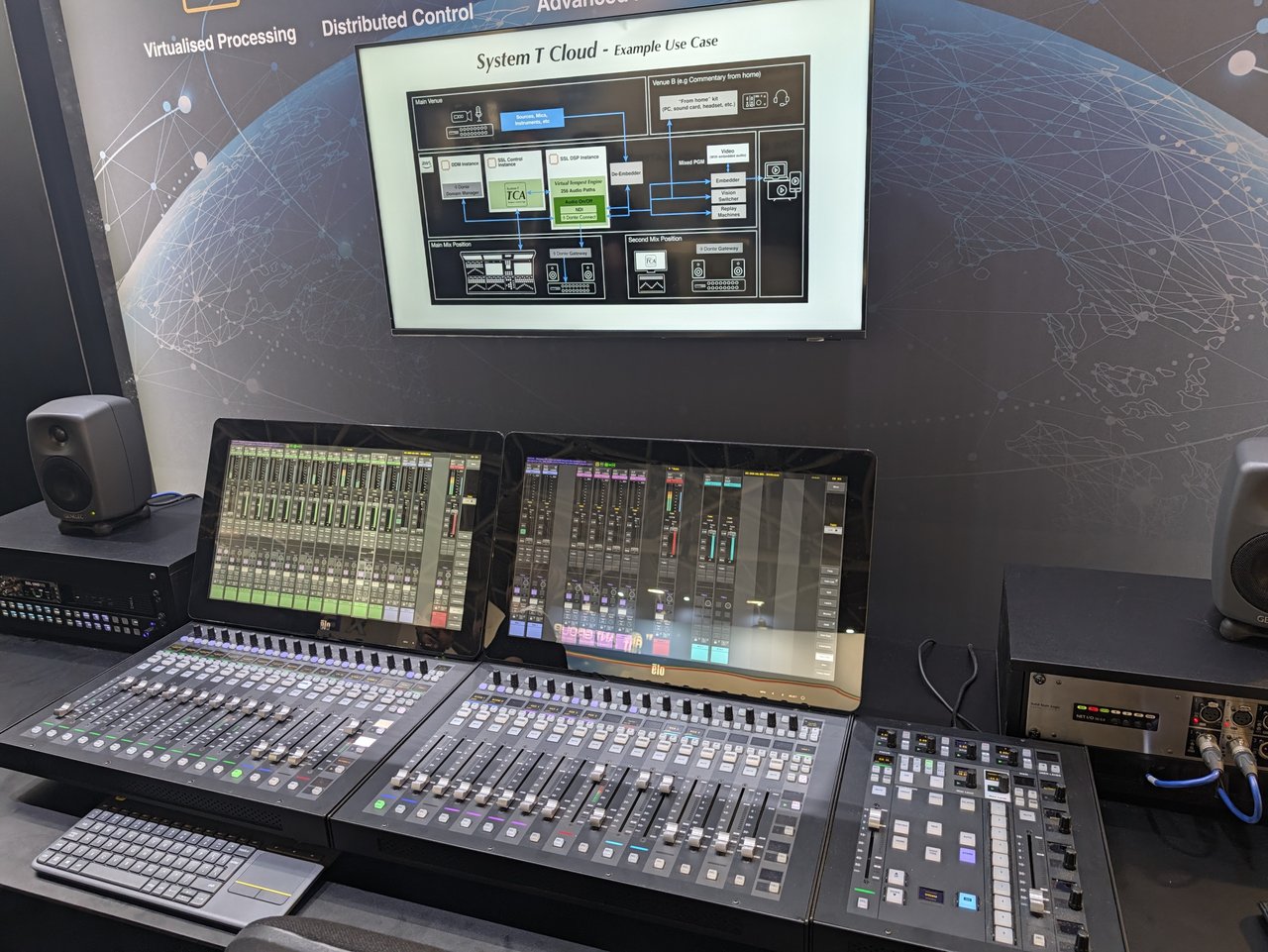
The clearest example of the shift was on an audio console. Solid State Logic’s System T stand was running a diagram titled System T Cloud — Example Use Case: a main venue with the sources and the mix position, and a second venue that is simply someone commentating from home with a PC, a sound card and a headset, joined over Dante gateways into the same mixed programme.
Elsewhere, BBright showed the same instinct applied to playout: using ST 2110-41 to carry synchronised metadata so that one UHD source can feed Dolby Vision, HDR10 and SDR downstream, instead of running parallel chains. In one deployment for a global tier-one OTT events platform that cut the number of parallel SDR and HDR chains by at least half.
Sovereignty, again
European sovereign cloud came up at IBC the way it comes up at every European infrastructure conference this year, and for once with media-specific weight: BCE showed an end-to-end sovereign media supply chain, Zattoo showed operator-friendly orchestration, and the broader push ran through the week. The question is identical to the one asked at KubeCon — who holds the data, under whose law, and what the exit plan looks like — only here the data is a national broadcaster’s archive.
Piracy, provenance, and AI on both sides
Rights holders talked about AI as something their opponents already have. The counter-numbers were real: LaLiga’s president Javier Tebas said the league cut piracy of its streams in Spain by 60% across the 2024/25 season through a combined legal, educational, institutional and technological effort. On the technology side, the floor was full of forensic watermarking and agentic detection systems that act before a takedown request rather than after.
Running alongside it, C2PA content provenance kept appearing — the same standard that turns up in every conversation about synthetic media. Broadcast is adopting it because it has to prove a frame is real, which is a problem the rest of software is only starting to take seriously.
What the stands were actually selling
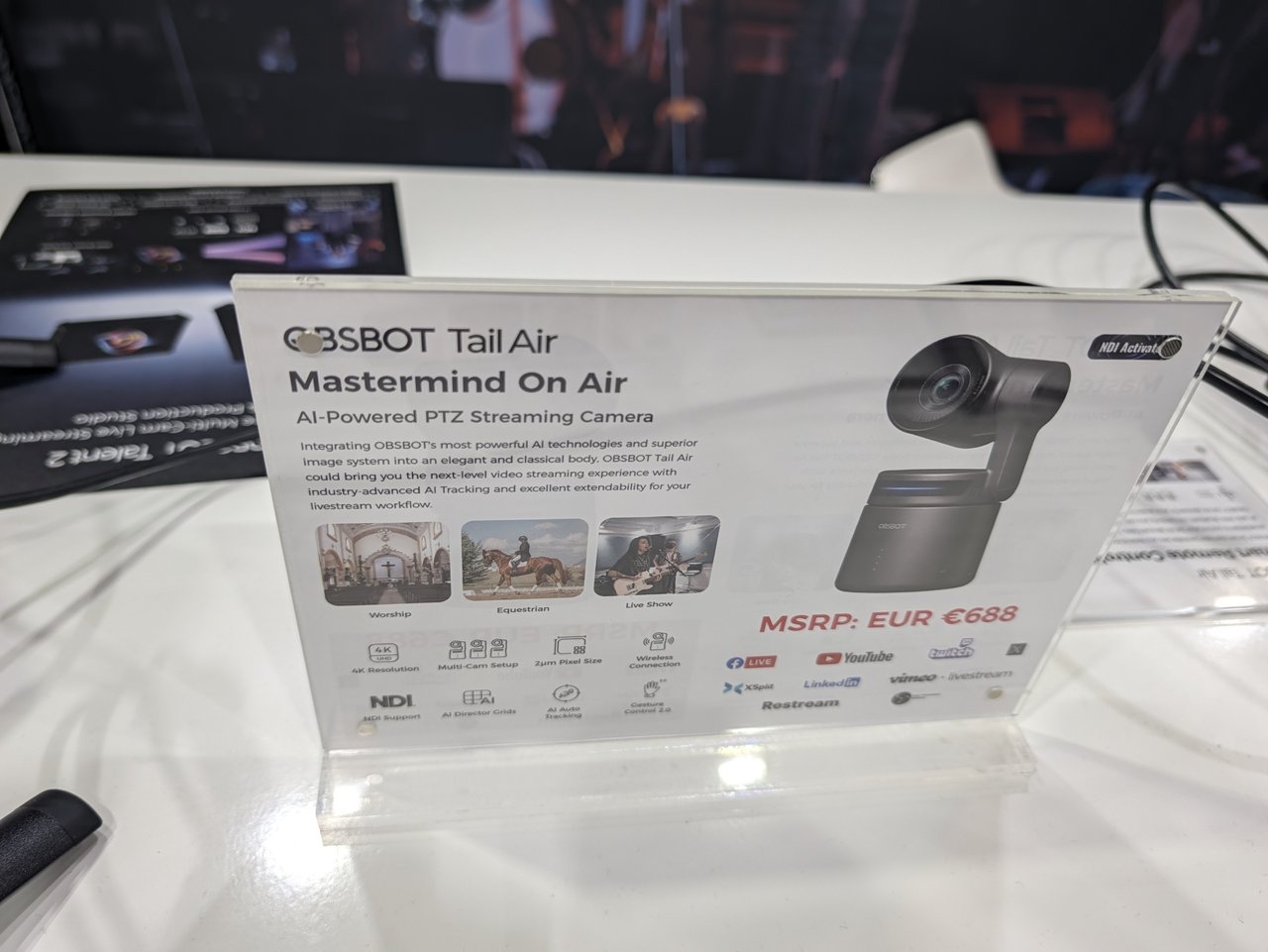
Away from the standards talk, the show floor was camera gear, lights and streaming boxes, and the prices have collapsed into creator territory. An AI-powered PTZ streaming camera with 4K, NDI support and auto-tracking now lists at €688.
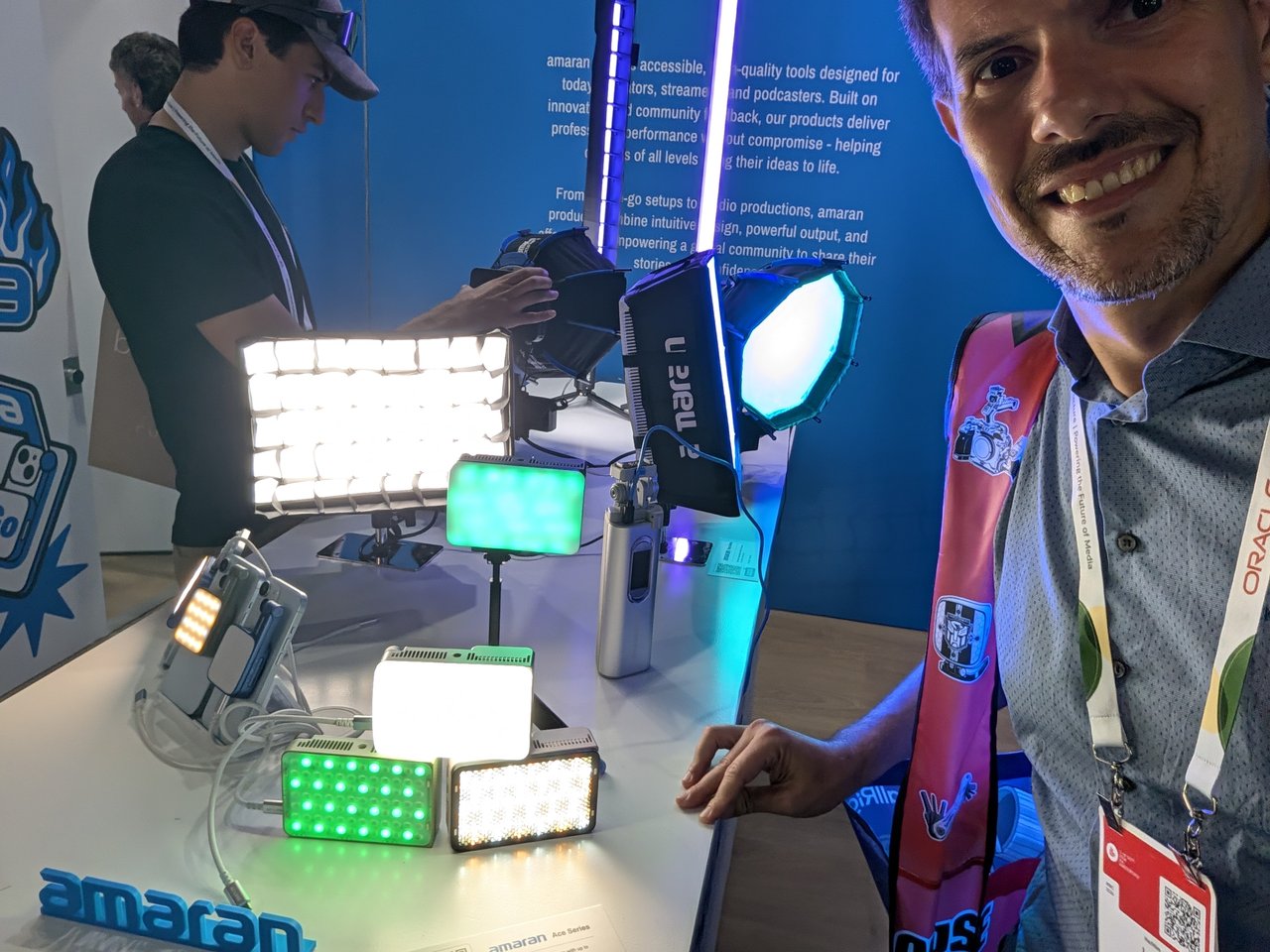
Sony showed the FX5, a compact full-frame 6K camera between the FX3 and FX6. Kinefinity showed the Vista, a 6K full-frame open-gate body at 610 grams. DJI moved into wireless audio with the Mic Mini 2S, recording 32-bit float internally with enough storage for 28 hours. None of these are broadcast trucks. All of them are aimed at people who are, in effect, their own studio.
The startups
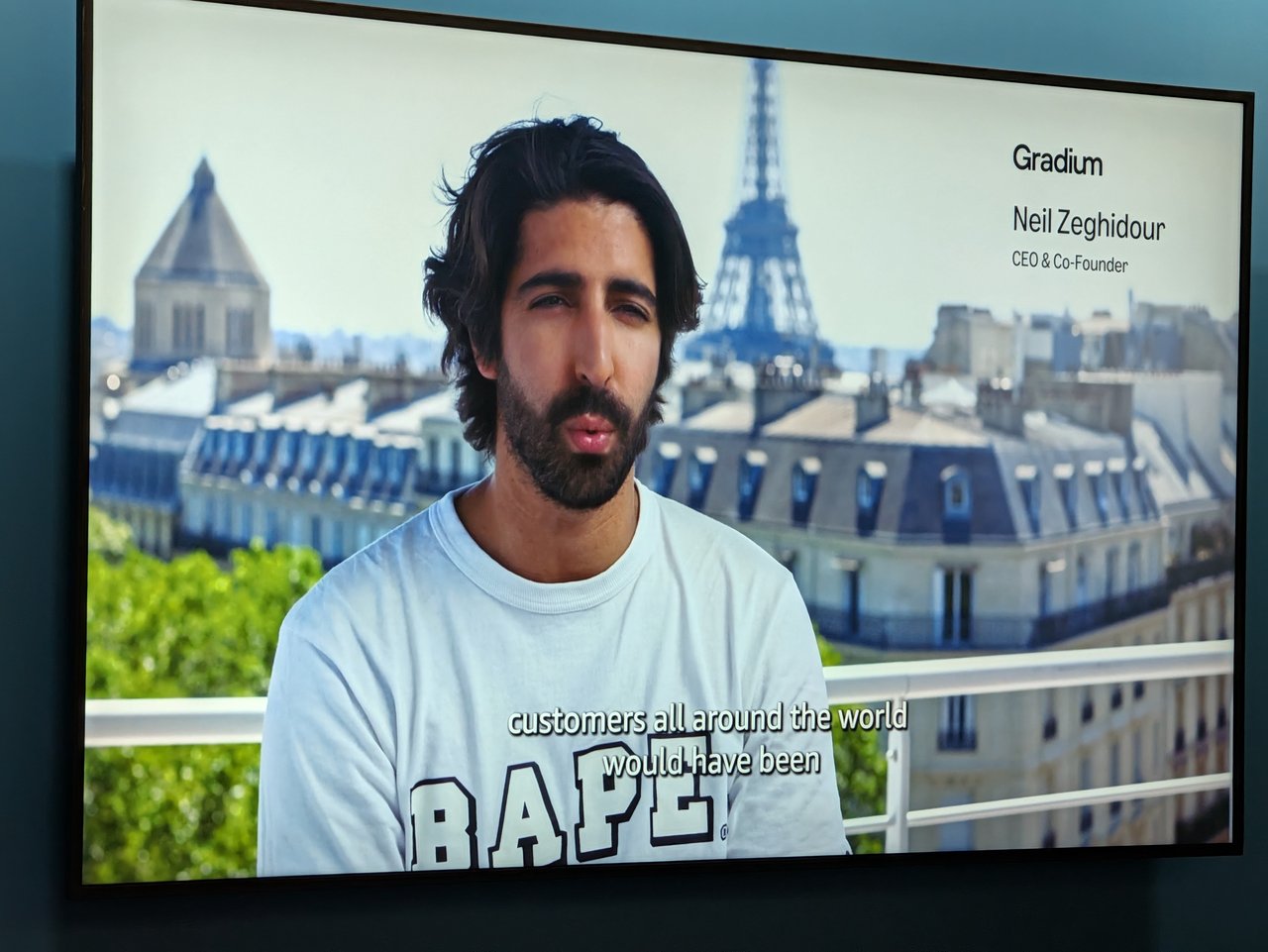
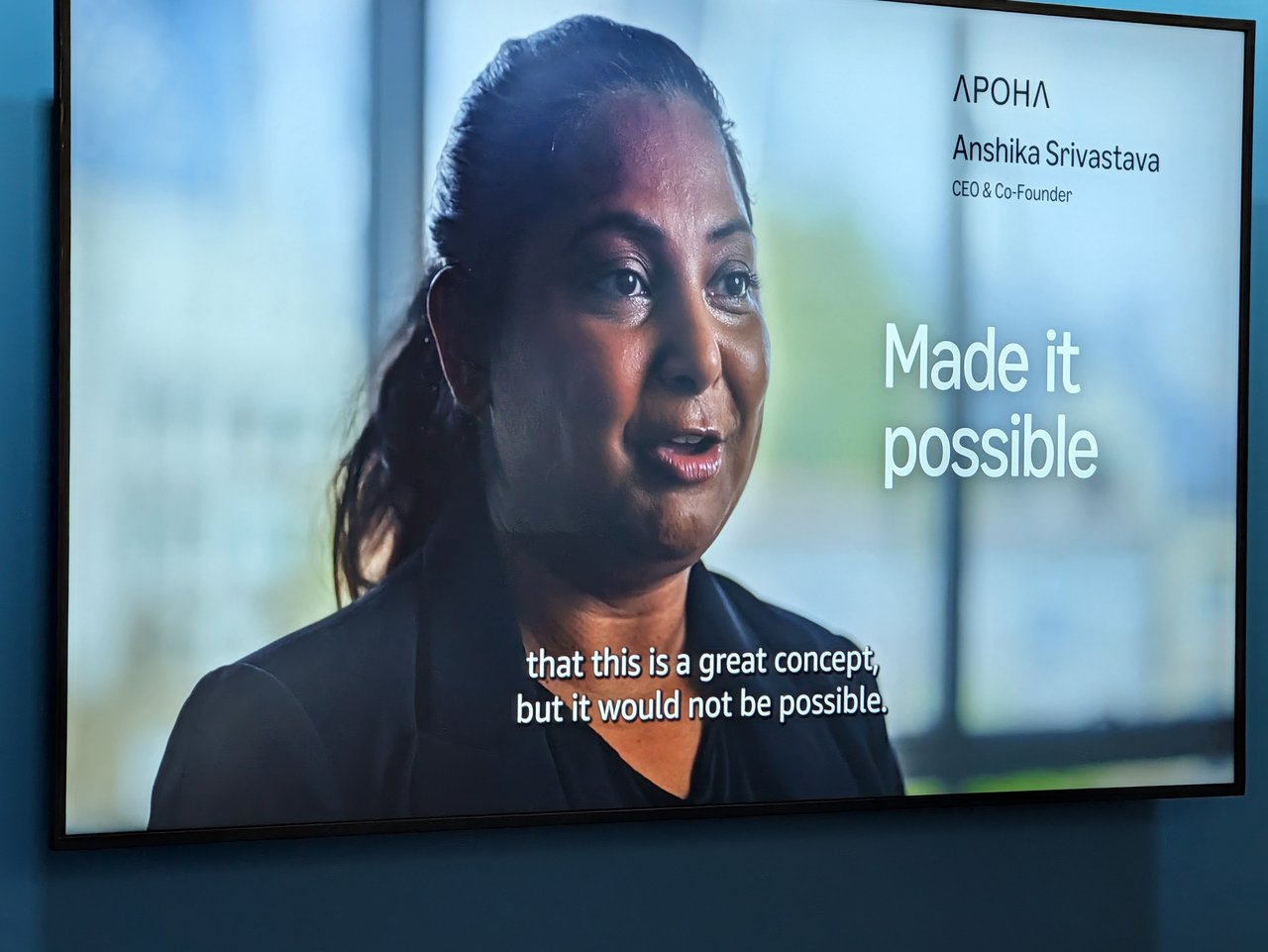
The Future Tech stage and the IBC Accelerator carried the research end: Deepdub on agentic orchestration for quality control across thousands of assets, Panjaya on building an AI dubbing engine, EYZ Media on video intelligence for accessibility and localisation, Q-Stream on quantum-secure media infrastructure. Stand screens around the hall ran founder interviews on loop.
The thread
Broadcast spent decades on proprietary, deterministic, hardware-defined pipelines, because a frame that arrives late is a frame that never arrives. It is now doing in a few years what general computing did over fifteen: moving to IP, to software, to open standards, to the cloud, and to a Linux Foundation project for the interchange layer. It is also, at the same time, absorbing AI into production and being attacked by AI at the distribution end.
The vocabulary differs — ST 2110 instead of gRPC, Dante instead of a service mesh — but the arguments are the ones this show records every week: who owns the interface, what happens when the vendor goes away, and how you prove what a system did.
Where to read more
The host wrote the week up in detail on lucaberton.com, by theme:
- The walkthrough, hall by hall.
- AI across media production, from contribution to distribution.
- Sovereign cloud and media data control.
- The AI arms race against piracy.
- The Innovation Award winners, including MXL.
- Future Tech and the startups.
- Cameras and virtual production, audio, content delivery, the creator economy and battery power on set.
Next
New episodes every Tuesday, on YouTube first, then Apple Podcasts, Spotify and Amazon Music; every platform is listed on the home page.
Built something the rest of us run on? Being a guest is free: how it works.
Built something the rest of us run on? Being a guest is free. Take the other chair